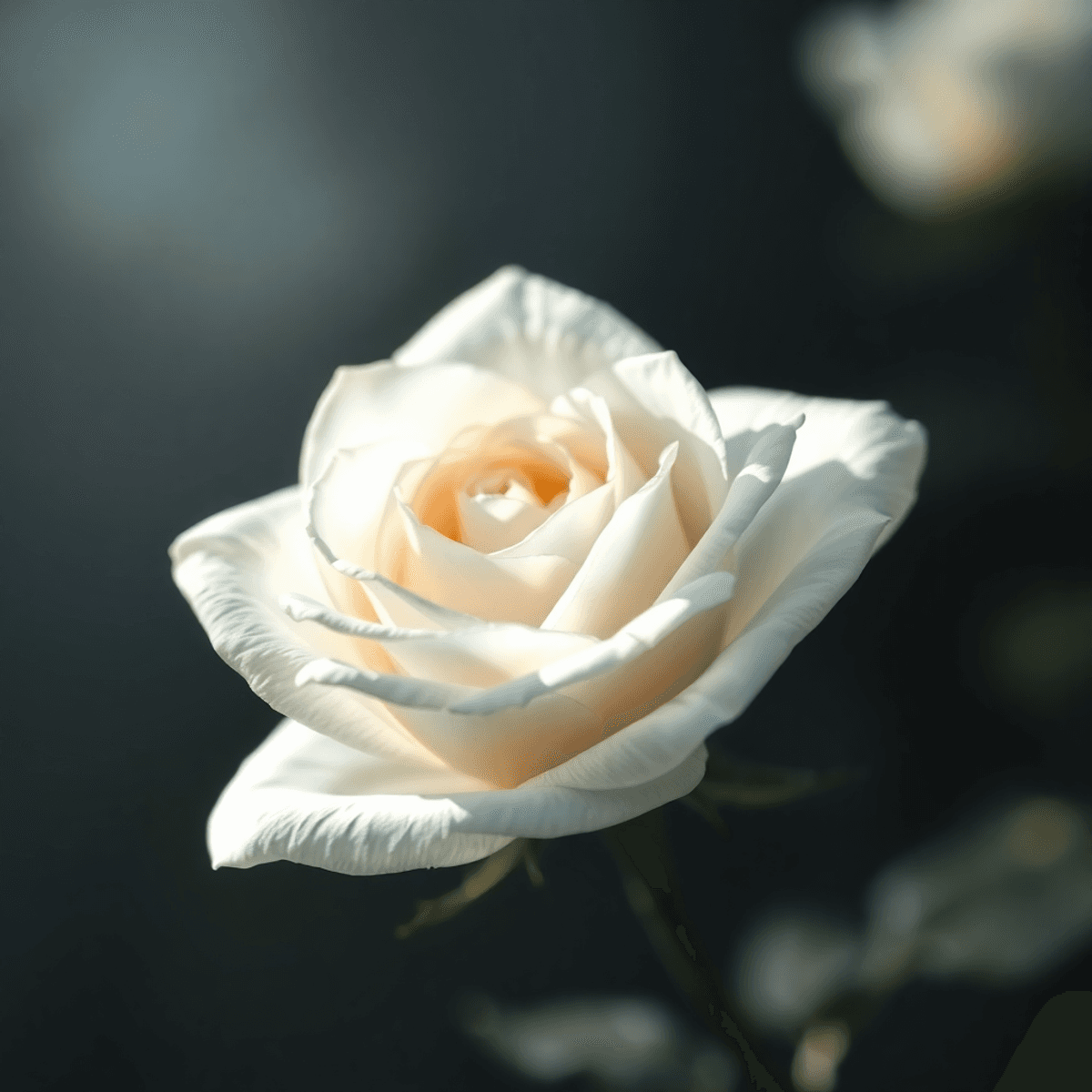
Painting with white flowers, especially the iconic white rose, presents a unique artistic challenge and opportunity. The delicate purity of a white rose demands careful attention to light, shadow, and subtle color variations rather than relying on bold pigments. Capturing the essence of a painted white rose means mastering how light shapes its petals and how shadows define its form without overwhelming the natural whiteness.
This article guides you through essential insights and practical techniques for creating compelling paintings of white roses on canvas using oil or acrylic paints. You will learn:
- Why painting white flowers can be deceptively complex despite their simple color
- How to approach value control and edge management to portray white petals effectively
- The differences between oil and acrylic mediums and how each influences your workflow
- Techniques for rendering shadows, highlights, and textures on white blooms
- Composition strategies that enhance the visibility and impact of your floral subjects
- A detailed case study illustrating an oil painting of a serene white lily as inspiration
- Practical exercises designed to build confidence in handling light, shadow, and form with whites
- Answers to common questions about pigment choice, medium techniques, and background contrast
This comprehensive overview equips you to explore the timeless appeal of painting white flowers with confidence—whether your focus is a single elegant bloom or a dynamic floral arrangement on canvas.
Understanding the Unique Challenges of Painting White Flowers
Painting white flowers may seem easy at first, but it comes with its set of difficulties. While the petals may appear mostly white, there's more to it than just slapping on some white paint. To truly capture the beauty of these flowers, you need to understand the intricacies involved and approach them with precision and finesse.
Deceptive Simplicity in Painting White Flowers
You might think painting a white rose or a white orchid is just about applying white paint on canvas. The reality is different. White petals do not offer much pigment variation, so the painter cannot rely on color shifts alone to convey form and depth. Instead, the challenge lies in suggesting volume and texture using minimal tonal contrast.
This principle applies equally whether you’re working on a white lilac painting or tackling the delicate curves of a white hibiscus painting. The eye needs cues beyond just color to read these flowers as three-dimensional.
Value Control Is More Important Than Pigment
The secret to successfully painting white flowers lies in understanding value—the lightness or darkness of different areas in your artwork—rather than focusing solely on choosing the right pigments. In fact, you'll often find that the actual white paint remains mostly untouched in your palette.
Instead of mixing gray into your whites, you'll define shadows and highlights by carefully considering the midtones and edges surrounding each petal. This means paying attention to how light interacts with the flower's form and using soft transitions between warm and cool tones to create depth.
Key points about value control include:
- Subtle shadow shapes along petal folds and bases create a perception of volume.
- Soft edge management allows petals to blend naturally into one another without harsh lines.
- Careful modulation between warm and cool midtones around the flower enhances dimensionality.
When you prioritize controlling values and edges over relying solely on pigment choices, you'll achieve a sense of luminosity in your painted white flowers instead of flatness or dullness.
White Blooms as Shapes of Light
Instead of viewing each white petal as simply an object painted in white pigment, try thinking about them as shapes of light surrounded by color. This shift in perspective can greatly influence how you perceive and represent these blooms:
- Petals become reflections of ambient light, with soft shadows sculpting their form.
- Background colors play an active role by contrasting with whites, helping them stand out.
- The eye reads whites as negative space filled with reflected hues from surroundings.
This approach applies across subjects—from a crisp white rose to ethereal white orchid paintings—making it easier to capture their unique glow and softness.
“White is not just a color but a collection of light interacting with surfaces.”
—Florence Harrison, Floral Painter
Mastering these concepts helps you move beyond simply replicating color toward capturing the essence of light in your floral paintings. This understanding prepares you well for selecting mediums and techniques tailored for rendering such challenging yet rewarding subjects.
However, it's not only about mastering artistic techniques; understanding how to present your artwork effectively online is equally crucial. This is where SEO comes into play. Just as controlling values in your paintings keeps them luminous, implementing effective SEO strategies can significantly enhance your online visibility.
In today's digital age, having a solid grasp of the need for efficient SEO is essential for artists looking to showcase their work online. Not only does it help in achieving easier document management for your portfolio (achieve easier document management), but it also opens up hidden benefits that can further promote your art business.
Comparing Mediums for White Rose Painting: Oil vs. Acrylic on Canvas
Painting white roses presents unique demands on your choice of medium. The qualities of oil and acrylic paints shape how you approach white roses painting and influence the final expression of your canvas work.
Oil Painting White Rose: Layered Highlights and Soft Glazes
Oil paints excel at producing rich textures and subtle tonal transitions that bring white petals to life. Their slow drying time allows for:
- Layering: You can build multiple translucent layers, gradually refining the luminosity and depth of the white petals.
- Soft glazes: Thin, transparent glazes create a glowing effect that mimics the delicate translucency of real rose petals.
- Blending: Oils blend seamlessly on the canvas, perfect for soft edges and gentle shifts in value critical to depicting white flowers realistically.
This medium supports a patient workflow, where you refine highlights and shadows over several sessions. The ability to rework areas without damaging underlying paint makes oils ideal when precision is paramount.
White Flowers Acrylic Painting: Fast Layering and Planning with Dried Edges
Acrylics offer a contrasting approach suited for artists who prefer speed and clarity:
- Quick drying: Acrylic paint dries fast, letting you layer colors rapidly without waiting hours or days.
- Crisp edges: The quick set time allows for sharp boundaries between petals and background or shadow shapes, important in compositions with defined forms.
- Versatility: Techniques like glazing (using acrylic mediums), dry brushing, or impasto add texture but require planning since overworking can muddy whites.
Limitations arise from acrylics’ fast-drying nature, which can make seamless blending more challenging than oil. However, this also encourages decisive brushwork and prevents over-mixing on the canvas.
Medium Choice Impact on Workflow, Precision, and Reworkability
Choosing between oil and acrylic depends on your artistic priorities:
Aspect | Oil Paint | Acrylic Paint |
Drying Time | Slow—allows extended blending & layering | Fast—enables quick layering & corrections |
Blending Ability | Excellent—smooth gradations & transitions | Moderate—requires wet-on-wet techniques |
Reworkability | High—can scrape back, glaze repeatedly | Limited—overworking may affect surface |
Highlight Rendering | Soft glazes enhance luminosity | Crisp edges preserve bright whites |
Workflow Style | Patient, layered approach | Dynamic, planned layering |
You might start an oil painting of a white rose with soft underlayers that slowly build petal form through glazes. Alternatively, white flower acrylic painting often calls for blocking shapes quickly and then refining details with smaller brushes.
Both mediums are excellent for paintings of white flowers on canvas, but they cater to different temperaments. Oils suit those who favor depth and subtlety; acrylics appeal to painters craving control over fast-drying surfaces.
Deciding which medium to use also involves considering your working environment. Oils require ventilation due to solvents; acrylics are water-based and less fume-intensive. This practical factor can sway your choice as much as aesthetic preferences.
Mastery of either medium leads to compelling depictions of white roses that highlight their fragile beauty through tailored techniques appropriate to each paint's nature.
Techniques for Rendering White Roses Effectively
Painting a white rose demands precision in handling light, shadow, and color to preserve the delicate purity of its petals. Success lies less in applying pure white pigment everywhere and more in controlling subtle tonal variations around the bloom.
Shadow Rendering Without Dulling Whites
- Use calibrated cool or warm midtones around petal edges to suggest shadows without contaminating the whiteness.
- For oil painting white rose subjects, cool blues or soft purples work well for shadow areas, helping petals recede naturally while keeping whites luminous.
- Acrylic painting with white flowers benefits from quicker drying times, allowing you to layer these midtones carefully before adding highlights.
- Avoid mixing gray directly into white petals; instead, build shadows by juxtaposing adjacent colors that imply form through contrast.
Managing Highlights with Titanium White
- Reserve titanium-white accents for the brightest points where light hits petals most directly.
- Keep these highlights crisp and nearly untouched by blending to maintain sharp petal definition.
- Use fine brushes or even palette knives to apply concentrated titanium white for texture and sparkle in your painted white rose.
- In oil painting white rose pieces, glazes surrounding these highlights enhance depth without dulling them.
- For acrylics, apply highlights last after layering midtones to prevent overworking and muddying whites.
Shadow Temperature and Value Contrast
- Shadow temperature guides perception of depth: warm shadows push forward gently, while cool shadows create recession, shaping petals convincingly.
- Maintain strong value contrast between shadowed areas and highlights so the whites read clearly from a distance.
- This contrast is crucial; without it, painted white roses risk appearing flat or washed out regardless of pigment quality.
- Utilize subtle shifts in shadow temperature across petals to simulate natural light conditions—warmer shadows on sunlit blooms, cooler ones under shade.
"Painting with White Flowers means mastering how light sculpts form without relying solely on pigment brightness."
Balancing these techniques ensures your painting of a white rose captures its softness and dimensionality. The interplay of calibrated midtones, sharp highlights, and thoughtful shadow temperature defines the flower’s delicate structure.
Composition Tips for White Floral Paintings on Canvas
Designing backgrounds for paintings of white flowers on canvas requires careful planning to make the delicate blooms stand out. Darker or contrasting colors are the most effective way to enhance visibility and impact. A deep, muted green or rich charcoal backdrop can create striking contrast that helps the white petals pop visually. Avoid overly bright or light backgrounds that risk blending with the flower’s whites and diminishing definition.
Importance of Texture
Texture plays a crucial role in compositions featuring white blooms. Incorporating subtle texture into the background or canvas surface introduces depth without competing with the subject. Use techniques like dry brushing or palette knife application to add tactile interest. Texture in negative space—the areas around and between flowers—prevents the composition from feeling empty or flat. Negative space can also guide the viewer’s eye toward focal points by balancing complexity and simplicity.
Expanding Expressive Possibilities
Experimenting with complementary elements expands expressive possibilities:
- Blue painting with white flowers often uses cool blue tones in backgrounds or accent flowers to enhance freshness and serenity. Blues create a natural cool contrast that emphasizes whiteness without harshness.
- Introducing other flower varieties such as white daisies or lilacs enriches visual narrative and variety. Daisies add simplicity and cheerfulness, while lilacs bring softness and subtle color shifts.
- Combining multiple white floral types enables dynamic arrangements where shape, size, and petal structure interplay to create rhythm.
Compositional Principles to Consider
Consider these compositional principles when working on your next white floral painting:
- Position blooms off-center for balanced asymmetry.
- Use overlapping petals or flowers to suggest depth.
- Vary leaf shapes and colors to frame white petals effectively.
Thoughtful background design paired with textural finesse turns simple paintings of white flowers on canvas into compelling artworks that celebrate purity while engaging viewers visually and emotionally.
Additionally, these different interpretations of floral art can inspire your creative process, allowing you to explore various styles and techniques that might resonate with your artistic vision. If you're investigating how to strengthen your skills further, consider utilizing some documentation tips which can provide valuable insights into enhancing your painting techniques.
Case Study: Creating a Serene White Lily Canvas Painting (Oil)
Painting a painted white flower like a lily in oil offers an excellent opportunity to explore the delicate balance between light and shadow that defines white petals. This case study outlines a detailed, step-by-step approach to creating an evocative white lily painting on canvas, with techniques applicable to painting a white rose or even a white hibiscus due to similar challenges in rendering white blooms.
Step 1: Preparing the Warm Mid-Tone Ground
- Begin by applying a warm mid-tone base layer across the primed canvas. Use diluted ochres or muted earth tones.
- This ground color acts as an underpainting, establishing warmth beneath what will become cool shadows and bright highlights.
- The mid-tone prevents the whites from appearing flat or lifeless later in the process by providing subtle depth right from the start.
Step 2: Blocking in Lily Shapes with Muted Blues and Ochres
- Sketch out the basic shapes of lilies loosely using thinned paint mixes of muted blues and ochres.
- These colors help define petal boundaries without committing to harsh lines—important when working with flowers that read as soft forms rather than sharp edges.
- Avoid pure black or stark contrasts; focus instead on gentle transitions that mimic natural petal overlaps.
- This stage is similar to blocking shapes in paintings of white flowers on canvas, where form precedes fine detail.
Step 3: Glazing Cool Shadows to Carve Petals Subtly
- Once the initial blocking dries, apply thin glazes of cool blue-gray shades selectively around petal edges and creases.
- Use glazing mediums to keep these layers translucent so they do not overpower the warm ground but add dimensionality.
- This technique sculpts the petals by suggesting shadowed areas without dulling their whiteness.
- The gradual build-up of shadow layers enhances realism and depth while maintaining the integrity of white petals.
Step 4: Adding Pure Titanium-White Highlights Last
- Reserve pure titanium-white paint for final highlights applied with fine brushes.
- Focus on crisp edges where light hits petals directly—tips, ridges, and veins—to retain sharpness that reads clearly from across a room.
- Applying highlights last ensures they remain bright and untarnished by previous layers, crucial for conveying the delicate texture of white flowers.
- These accents bring the painting to life, contrasting beautifully against deeper shadows and warm undertones.
Technique Parallels and Tips
This method parallels approaches used in creating effective documentation for oil painting techniques, where careful layering and glazing define petal translucency. Pay attention to edge control throughout; soft blending combined with defined highlights creates the illusion of fragile petals. Regularly step back to evaluate how values hold up at viewing distance—whites should catch attention without overwhelming composition.
This case study demonstrates how meticulous layering and strategic use of color temperature create serene yet dynamic paintings of white flowers on canvas. The process highlights essential considerations for anyone aiming to master oil techniques for luminous white blossoms.
Practical Exercises to Build Confidence in Painting White Flowers
Building skill in painting with white flowers often begins with targeted exercises that simplify the complexity of color and focus on essential elements like value and edge control. These painted white flower exercises develop your eye for subtle light variations and petal form without the distraction of full color palettes.
Recommended Exercises:
1. Shadow Edge Studies
Concentrate on capturing the delicate transitions between light and shadow along petal edges. Use a limited grayscale or a single hue to isolate value contrasts. This sharpens your ability to define petals as shapes of light rather than relying on pigment alone.
2. Monochrome Floral Studies
Create small paintings using one color mixed with white or black to explore tonal range. Monochrome studies improve understanding of how light sculpts petals, revealing volume and texture through value shifts. They are excellent for practicing layering shadows without compromising the whiteness of the flower.
3. Value Control Drills
Paint simple white flower forms, focusing on midtones and highlights while minimizing color variety. Adjust shadow temperatures between cool and warm tones to see how it affects depth perception. This exercise trains you to maintain crispness in titanium-white highlights while giving petals subtle contouring.
Benefits of Small-Scale Practice:
- Enhances recognition of subtle shifts in light and shadow critical for white petals.
- Builds muscle memory for brushwork needed to create soft edges and glazes typical of oil or acrylic on canvas.
- Reduces intimidation by breaking down complex white floral subjects into manageable visual problems.
Testing Under Varied Lighting Conditions
Experiment with viewing your finished studies in different lights—natural sunlight, incandescent, fluorescent, or gallery-style spotlights—to observe how lighting impacts the perception of whites and shadows. This step mimics real-world installation environments where your work will be displayed. Assess whether highlights pop sufficiently or if shadows need adjustment for clarity from various distances.
“Lighting can transform a painting’s readability, especially when working with whites. Testing under multiple conditions provides valuable insights before committing to larger compositions.”
By integrating these exercises into your routine, you build confidence in managing the nuanced interplay of values essential for convincing white rose paintings. Accurate shadow edges, controlled highlight placement, and thoughtful value transitions become second nature, making more complex works less daunting and more rewarding to paint.
In addition, it can be beneficial to understand the benefits of user guides which can provide structured learning paths and additional resources tailored to enhance your painting skills further.
Frequently Asked Questions about Painting White Flowers
Painting white flowers raises several technical questions about painted white flowers that often focus on how to make the whites appear vibrant and dimensional rather than flat or dull. Addressing these concerns involves understanding value control in floral paintings and edge management in flower art.
Why is pigment choice less important than managing surrounding midtones and shadows?
The key to conveying the form of white petals lies in the surrounding values, as they mostly reflect light. Surrounding midtones and shadows create contrast, allowing the whiteness to read clearly. Using carefully calibrated cool or warm tones near edges enhances petal shape without muddying the white itself. Even pure titanium white loses impact without a well-planned context of darks and mid-values.
How do technique requirements differ between watercolor, oils, and acrylics for painting white flowers?
Watercolor artists rely on negative painting—leaving areas of the paper unpainted to represent white petals. Oil painters build up translucent glazes and soft transitions to depict delicate textures. Acrylic painters take advantage of quick drying but must plan layers carefully to maintain crisp edges on white petals.
Medium | Technique Focus | Key Challenge |
Watercolor | Preserving paper whiteness by avoiding paint | Leaving negative space intact for highlights |
Oils | Layered highlights with smooth blending | Managing slow drying time for subtle transitions |
Acrylics | Planning layers with quick drying | Balancing fast layering without overworking |
What tips help ensure small details remain visible in white floral paintings?
To ensure small details remain visible in your white floral paintings, consider the following tips:
- Use strong background contrasts, such as dark or complementary colors, to make whites pop visually.
- Employ silhouette techniques by outlining petals softly against darker areas to define shapes clearly.
- Maintain sharp edges selectively with fine brushes, especially around highlight points like petal tips or folds.
- Avoid over-blending whites into surrounding colors; keep some crisp boundaries for readability at a distance.
Addressing these FAQs equips you with practical insights into value control and edge management, crucial for mastering the subtle art of painting white flowers realistically and expressively.
Final Tips & Key Takeaways for Successful White Rose Paintings
Painting white roses requires a delicate approach where subtlety is key to success. Here are some important tips for painting white roses that can help you improve your floral artwork:
- Focus on values and temperature control instead of relying solely on bright pigments: The illusion of whiteness on petals doesn't come from using pure white paint alone, but rather from skillfully manipulating light and shadow. By adjusting the values—the relative lightness or darkness—and controlling the temperature with cool or warm tones around the edges, you can give shape to the petals. This attention to detail allows the white areas to maintain their form without looking flat or washed out.
- Choose your painting medium based on whether you want precision or freedom in your brushwork: Tips for floral painters suggest that you should select your tools according to your creative goals. If you're aiming for meticulous detail in white roses, oil paints are ideal as they allow for layered highlights and smooth blending. On the other hand, if you prefer speed and flexibility with quicker drying times, acrylics may be a better choice, as they encourage experimentation with texture and layering. Your decision will impact your workflow rhythm, ability to make changes, and how you depict delicate petal surfaces.
- Consider the lighting conditions where your painting will be displayed as part of your process: The environment in which your artwork will be showcased has an effect on how whites appear visually. Harsh, direct lighting can flatten whites, while dim conditions may cause loss of detail. To counteract these effects, it's important to anticipate them early on by testing your finished pieces under different lighting setups similar to their final location. This foresight will help preserve the depth and vibrancy of white blooms when viewed in their intended space.
- Be mindful when applying titanium-white highlights: Reserve bright whites for accentuating petal edges and areas that catch direct light. Overworking these parts runs the risk of losing the fresh sparkle that conveys softness and translucency in petals.
- Use surrounding midtones strategically to enhance petal definition: Whites stand out best against carefully chosen background colors—either contrasting darks or harmonious muted tones—that frame each bloom without overpowering it.
By keeping these considerations in mind, you'll have a solid foundation for confidently painting white roses on canvas. This will enable you to authentically capture their elegant purity with skill and finesse.
Conclusion
The painting of a white rose conclusion invites you to embrace the expressive potential of painted white flowers as a versatile and timeless subject. The classic white rose offers a unique opportunity to explore subtle nuances of light, shadow, and color temperature that challenge even experienced artists.
- Experiment with different mediums like oil and acrylic to discover how each affects texture, layering, and detail precision.
- Vary your compositions by incorporating contrasting backgrounds or complementary floral elements to amplify the presence of your white blooms on canvas.
- Use the inherent softness and purity of white flowers to convey mood, symbolism, or narrative through your brushwork.
Painting with White Flowers encourages continuous exploration. These delicate subjects invite you to refine your techniques while expressing emotions and stories beyond pigment alone. This makes white flower paintings perpetually relevant in both contemporary and classical art contexts.
Let the white rose guide your creative journey—its simple elegance holds endless possibilities waiting for your artistic interpretation.
FAQs (Frequently Asked Questions)
Why is painting white flowers considered deceptively simple yet challenging for floral painters?
Painting white flowers is tricky because white petals are perceived as shapes of light surrounded by color, making value control and edge management more important than pigment choice. Managing subtle shadows and highlights without altering the whiteness requires careful observation and technique.
How do oil and acrylic paints compare when painting white roses on canvas?
Oil paints allow for layered highlights and soft glazes, providing smooth transitions ideal for white rose paintings. Acrylics dry faster, enabling quick layering and planning with dried edges, but may limit blending precision. The choice affects workflow, precision, and the ability to rework details.
What techniques help render white roses effectively while maintaining their delicate appearance?
Using calibrated cool or warm midtones around petal edges shows shadows without compromising whiteness. Keeping titanium-white highlights crisp and nearly untouched preserves petal form. Employing shadow temperature and value contrast ensures the whites read clearly from a distance.
How can composition enhance the visibility and impact of white floral paintings on canvas?
Designing backgrounds with darker or contrasting colors makes white blooms stand out. Incorporating texture and negative space adds expressiveness rather than limitation. Including complementary elements like blue tones or other flower varieties such as daisies or lilacs enriches the composition.
What are practical exercises to build confidence in painting white flowers?
Short monochrome floral studies focusing on shadow edges and value control improve understanding of light shape and petal structure. Testing these studies under different lighting conditions similar to the final display environment helps refine technique before working on full-color paintings.
What key takeaways should artists remember when painting white roses?
Artists should emphasize values and temperature control over pigment brightness when working with whites. Selecting a medium aligned with desired precision or gestural freedom is crucial. Considering installation lighting early prevents flattening effects on delicate whites, ensuring successful floral paintings.
Comments
Post a Comment