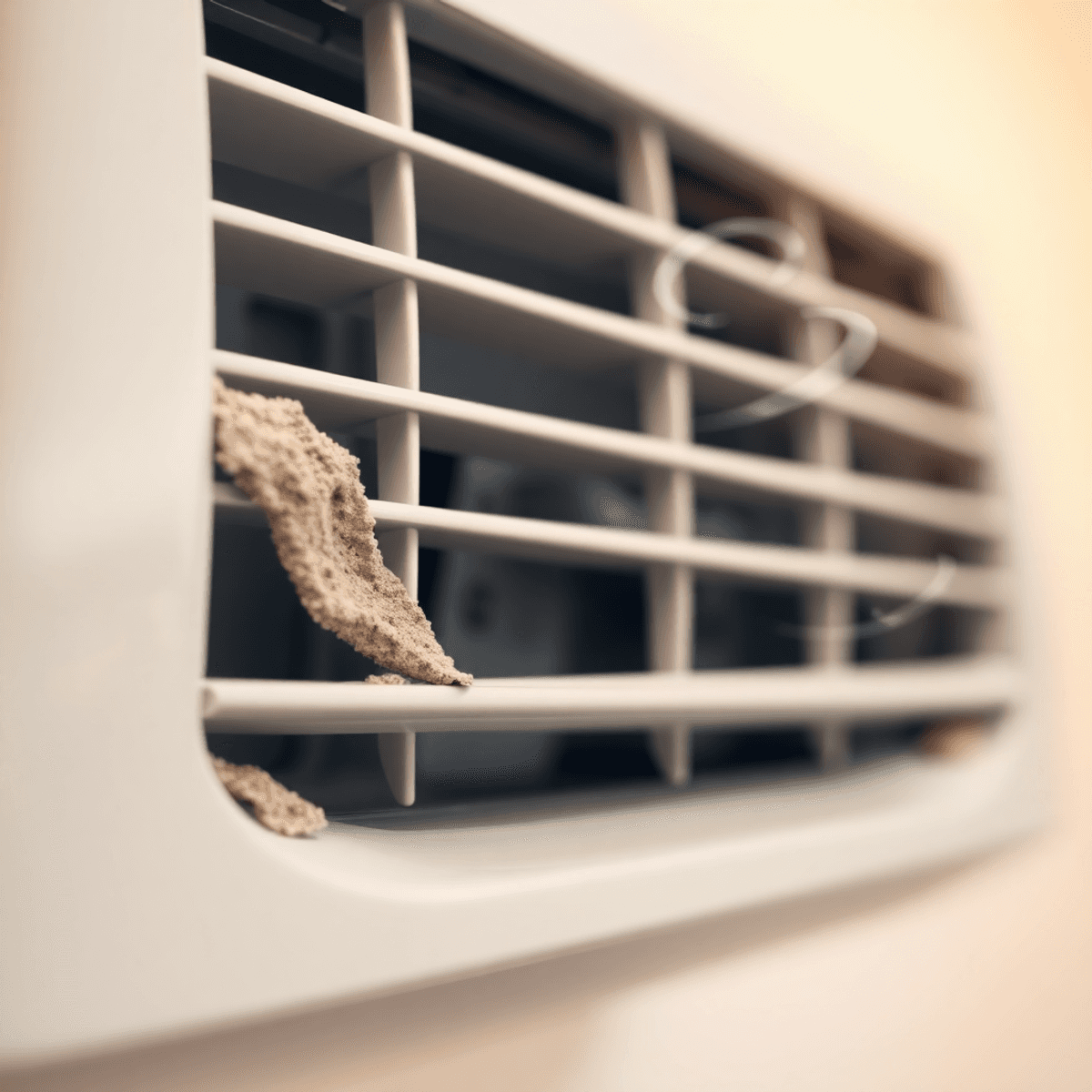
An air conditioner alert often comes in the form of warm air blowing from your unit combined with a smell unpleasant enough to disrupt your indoor comfort. These unpleasant odors are more than just a nuisance—they signal underlying problems that affect both your health and the efficiency of your AC system.
Warm air escaping the vents when you expect cool relief can indicate mechanical or maintenance issues. When this issue coincides with bad smells, it points to a common culprit: mold growth inside the AC system. Mold thrives in damp, dark environments created by moisture buildup within your unit’s components. This microbial invasion not only affects air quality but can also trigger respiratory problems and allergic reactions.
Recognizing these symptoms early is crucial for maintaining a healthy indoor environment. Ignoring an air conditioner alert like warm air combined with unpleasant odors risks worsening system damage and exposing you to harmful mold spores circulating through your home’s ventilation.

Understanding Warm Air and Unpleasant Odors from AC Units
An air conditioner blowing warm air instead of cold can signal several issues affecting its performance. Common causes include:
- Refrigerant leaks: Low refrigerant disrupts the cooling cycle, causing the unit to blow warm air.
- Dirty or clogged filters: Restricted airflow reduces cooling efficiency and may force the system to overheat.
- Faulty compressor or fan: Mechanical failures prevent proper heat exchange.
- Thermostat problems: Incorrect temperature readings can stop the AC from activating cooling functions.
Identifying Odors from Your AC
Recognizing the type of odor your AC emits helps diagnose underlying problems. Air conditioners can produce a variety of pleasant and unpleasant smells, but in this context, unpleasant odors require attention. Typical examples include:
- Musty or moldy smell: Often caused by black mold in air conditioner components like evaporator coils or drain pans where moisture accumulates. This odor resembles damp, stale environments and signals microbial growth.
- Chemical odor: A sharp, acrid scent may indicate refrigerant leaks or electrical issues within the unit. Exposure to such smells can be harmful.
- Burning smell: Overheated motors, wiring faults, or blocked airflow can generate a burning scent that needs immediate inspection.
Understanding Odor Categories
Understanding pleasant and unpleasant odor categories clarifies what to expect when monitoring your AC:
- Pleasant smell examples: clean air, fresh linen scent after filter changes or air purifiers operating effectively.
- Unpleasant scent examples: mildew, smoke, stale air, chemical fumes, all pointing to maintenance issues.
Monitoring Your AC's Performance
Detecting a pleasant unpleasant smell contrast often means your AC is partially functional but compromised by hidden problems such as mold spores mixing with dust particles. The presence of black mold in air conditioner components especially contributes to persistent musty odors that worsen over time if neglected.
Monitoring both airflow temperature and odor type provides crucial clues about your system’s health and indoor air quality. These sensory signs are early warnings that help avoid larger repairs or health risks linked to contaminated HVAC systems.
Causes of Mold Growth in Air Conditioners
Mold in AC units thrives primarily because of moisture buildup within the system. When warm, humid air passes over cold evaporator coils, condensation forms. This condensation creates damp surfaces where mold spores can easily settle and multiply. The presence of moisture on these coils is a prime factor for mold growth.
Key Components Contributing to Mold Growth
Drain lines and drain pans also contribute significantly to microbial proliferation. If these components become clogged or fail to drain properly, standing water accumulates. This stagnant water supports mold colonies that release spores into your indoor air when the system operates.
Certain parts of an air conditioner are more susceptible to mold contamination:
- Evaporator Coils: Constantly exposed to condensation, these coils are often covered by a thin film of moisture, providing an ideal breeding ground for mold.
- Drain Pans: Designed to collect excess condensate, these pans can harbor mold if they are dirty or blocked.
- Air Conditioner Vents: Mold in air conditioner vents can develop when moisture or dust settles inside them, creating a damp environment conducive to fungal growth.
- Air Ducts: Mold in air ducts spreads spores throughout your home’s ventilation system when moisture is present due to leaks, poor insulation, or high humidity.
Impact of Dust and Dirt Accumulation
Dust and dirt accumulation worsens the problem by trapping moisture and nutrients that encourage microbial life. Lack of regular cleaning allows this buildup to persist, increasing the risk of extensive mold growth inside the AC system.
Indirect Effects on Electrical Components
Electrical components near moist areas may also be affected indirectly by mold growth since dirt and moisture cause corrosion and malfunction. This situation sometimes leads to unusual odors or performance issues beyond just warm air blowing from the unit.
Recognizing these common hotspots for mold in air conditioners helps target preventive maintenance efforts effectively. Addressing moisture control on evaporator coils, ensuring proper drainage from drain pans and lines, and keeping vents and ducts clean reduces conditions that favor mold development. To further understand how mold can hide inside your AC system, it's essential to regularly inspect and maintain all components of your air conditioning unit.
Health Risks Associated with Mold and Unpleasant Odors from AC Systems
Mold spores circulating from contaminated air conditioners pose significant health concerns. When your system harbors microbial growth, it becomes a source of airborne allergens and irritants that affect indoor air quality.
Common symptoms of mold in air ducts include:
- Persistent coughing or wheezing
- Nasal congestion and sneezing
- Throat irritation or sore throat
- Eye redness and watery eyes
- Skin rashes or irritation
People with pre-existing respiratory conditions like asthma may experience exacerbated attacks triggered by mold spores released through the ventilation system. The presence of mold in your AC unit can contribute to respiratory inflammations by irritating sensitive airways.
An air conditioner alert should trigger if you notice unusual musty or damp odors paired with these symptoms. Such mold in air conditioner symptoms often signal the need for immediate inspection and remediation to prevent worsening health effects.
Vulnerable groups, including children, elderly adults, and those with compromised immune systems, face higher risks when exposed to mold-contaminated air. Long-term exposure can lead to chronic respiratory problems and increased susceptibility to infections.
Addressing these health concerns requires identifying and eliminating the source of mold within the AC system before symptoms intensify or spread throughout the indoor environment.
Identifying Signs of Mold and Other Issues in Your Air Conditioner
Recognizing the presence of mold or other problems in your AC unit early can prevent further damage and protect your health. Look closely for these physical and sensory clues around your system.
Physical Signs of Mold Growth
- Black mold around air vents: Check the grilles, vents, and registers for dark, fuzzy patches that resemble soot or dirt but do not wipe away easily. This black mold in AC units thrives where moisture accumulates.
- Discoloration or staining: Yellow, greenish, or brown stains on the evaporator coils, drain pans, or surrounding ductwork often indicate microbial growth.
- Visible water buildup: Standing water or excessive condensation inside or beneath the unit creates an environment conducive to mold development.
- Deteriorating insulation or rubber seals: Mold can degrade materials near moist areas, causing crumbly insulation or cracked seals.
Detecting Unusual Odors
- Musty or moldy smells: A persistent damp, earthy odor when the AC runs strongly suggests microbial contamination within the system.
- Chemical scents: Sharp, acrid smells might point to refrigerant leaks or electrical issues demanding immediate attention.
- Burning odors: Overheated components like motors or wiring produce burning odors that should not be ignored.
Additional Indicators
- Frequent allergies indoors: An increase in sneezing, coughing, or watery eyes while using the AC could signal airborne mold spores circulating through ducts.
- Uneven airflow or cooling performance: Blockages from mold or debris may reduce airflow and cause warm spots in your home.
Regularly inspecting your air conditioner for these signs helps you catch problems before they escalate. Early detection combined with prompt action preserves indoor air quality and system efficiency.
Routine Maintenance to Prevent Mold and Odor Problems
Maintaining your air conditioner regularly is key to preventing mold growth and eliminating unpleasant odors. Neglecting routine care creates an environment where dust, moisture, and microbial contaminants accumulate, leading to AC mold issues that affect both system performance and indoor air quality.
Time to Clean Filter
Air filters trap dust, pollen, and allergens before they enter the unit. Over time, filters become clogged with debris, reducing airflow and creating a breeding ground for mold spores. You should:
- Replace disposable filters every 1-3 months depending on usage and air quality.
- Clean reusable filters monthly with water or a vacuum cleaner.
- Check filters more frequently during high pollen seasons or if you have pets.
Proper filter maintenance reduces airborne allergens and prevents dirt buildup inside the AC system, which lowers the risk of microbial contamination.
Air Conditioner Mold Cleaning – Evaporator Coils
Evaporator coils absorb heat and moisture from indoor air. Condensation forms on these coils constantly, providing moisture necessary for mold growth if not cleaned regularly. To prevent this:
- Use coil-specific cleaners designed to remove dirt without damaging delicate fins or refrigerant lines.
- Avoid harsh chemicals; opt for EPA-approved antimicrobial sprays that inhibit mold formation.
- Schedule professional coil cleaning at least once per year for thorough decontamination.
Clean coils improve cooling efficiency while minimizing damp areas that encourage microbial colonies.
Clearing Drain Pans and Lines
Drain pans catch water that drips from evaporation coils and move it away through drain lines. If a pan is blocked or the lines are clogged, water can build up inside the system. This lets mold start to grow. Some important steps to take are:
Look at drain pans each month to see if there is any still water or if you spot mold. You should clean the pans with bleach and water or with a store-bought cleaner if you need to.
Run a vinegar and water mix or buy special cleaning tablets through the drain lines often. This will help get rid of things like algae or thick dirt that may block the drain.
Make sure the pans are tilted the right way and that water can move out. This is important so standing water does not build up inside the pans.
Fixing problems with the drain pan and line helps get rid of extra water. This takes away what mold needs to grow in the AC unit.
Keeping up with these tasks helps stop ac mold issues from getting worse. You can avoid spending a lot on repairs, and you keep your air safe to breathe. These simple steps help your unit stay clean and smell good when you use it.
Professional Mold Removal and Deep Cleaning Services for AC Units
If you notice persistent mold contamination in your air conditioning system, it's a sign that you need professional AC mold removal. When regular maintenance doesn't get rid of musty smells or visible mold keeps coming back, it's time to call in the experts. Mold can go deep into the ductwork and internal parts of the AC unit, making DIY cleaning ineffective and even dangerous.
Signs You Need Professional Assistance
Here are some signs that indicate you may need professional help with your AC unit:
- Strong, persistent musty or moldy odor despite regular filter changes and coil cleaning.
- Visible black or green mold patches inside ducts, vents, or on evaporator coils.
- Recurring respiratory symptoms or allergic reactions linked to indoor air quality.
- Water leakage or clogged drain lines that you cannot clear yourself.
- Complex issues such as refrigerant leaks combined with foul smells.
What Professional Services Include
1. Air Duct Cleaning and Mold Remediation
Specialized companies use high-powered vacuums and brushes to remove dust, debris, and microbial contaminants from ducts. The process includes:
- Inspection with cameras to identify mold colonies hidden deep within ductwork.
- Application of EPA-approved antimicrobial agents to inhibit mold regrowth.
- Sealing any leaks or gaps that may introduce moisture or contaminants.
2. Mold Removal AC Unit Deep Cleaning
Technicians dismantle accessible parts of the unit—evaporator coils, drain pans, blower fans—to thoroughly clean and disinfect surfaces. Methods include:
- Chemical treatments specifically formulated for HVAC systems that eliminate mold without damaging components.
- Ultrasonic cleaning or steam treatments in some cases for stubborn biofilms.
- Replacement of severely contaminated filters and insulation materials.
3. Addressing Supporting Issues
Professional services also focus on underlying causes that encourage mold growth:
- Repairing clogged or damaged condensate drain lines.
- Checking refrigerant levels to ensure proper cooling function.
- Testing airflow balance to prevent moisture accumulation.
Engaging a professional service ensures not only effective air conditioner mold removal, but also prevents recurrence by tackling both symptoms and root causes. Certified technicians bring expertise, specialized tools, and safe handling of chemicals required for comprehensive air duct cleaning and mold removal.
An air conditioner alert indicating foul odors combined with warm air should prompt immediate evaluation by trained professionals who can restore your system’s cleanliness and protect your indoor air quality. It's also worth considering the benefits of air duct sanitization as part of your overall maintenance strategy to further improve indoor air quality.
Preventive Measures for Long-Term Air Conditioner Health
Maintaining your air conditioner’s performance and indoor air quality requires consistent preventive maintenance HVAC practices. Scheduling regular tune-ups with qualified HVAC professionals plays a critical role in this process. During these visits, technicians will:
- Inspect and clean essential components such as coils, filters, and drain lines.
- Check refrigerant levels to ensure proper cooling function.
- Assess electrical connections and system controls for safety and efficiency.
- Identify early signs of mold, dirt buildup, or mechanical wear that could escalate problems.
Routine professional inspections help keep your AC system running at peak efficiency while preventing issues like mold growth or bad odors before they become serious.
Using EPA-approved cleaning solutions during maintenance is another key preventive approach. These antimicrobial treatments are specifically formulated to inhibit microbial growth in drain pans, condensate lines, and other moisture-prone areas inside the AC unit. Benefits include:
- Reducing the risk of mold spores spreading through your home’s ventilation.
- Minimizing musty or unpleasant smells caused by microbial contamination.
- Extending the lifespan of components by keeping surfaces cleaner and less prone to corrosion or clogging.
Choose products labeled safe for HVAC use to avoid damage to sensitive parts or harmful chemical exposure indoors. Applying EPA-approved solutions regularly as part of your maintenance routine creates an inhospitable environment for mold and bacteria.
In addition to professional tune-ups and antimicrobial treatments, consider these preventive steps:
- Keep outdoor units clear of debris and vegetation to promote proper airflow.
- Monitor humidity levels inside your home; excessive moisture encourages microbial growth even after cleaning.
- Replace air filters on schedule since clogged filters reduce efficiency and trap contaminants that can feed mold.
Implementing these measures builds a strong defense against odor issues, inefficient cooling, and health risks associated with contaminated air conditioners. Preventive care pays off by preserving comfort and air quality long term.
Conclusion - Alert - Time To Clean Filter
When your air conditioner starts blowing warm air accompanied by a bad odor, it signals more than just discomfort—it’s an air conditioner alert indicating potential mold growth or system malfunction. Ignoring these signs puts your indoor environment and health at risk.
Key Points to Remember for Warm Air Blowing Bad Odor Resolution
- Timely maintenance is crucial. Delaying filter changes, coil cleanings, or drain line clearings allows mold and bacteria to thrive, which can worsen odors and decrease cooling efficiency.
- Routine filter replacements trap dust, allergens, and microbial contaminants before they circulate through your home.
- Regular professional inspections identify hidden issues like mold deep in ducts or refrigerant leaks that DIY cleaning can’t resolve.
- Maintaining your AC system ensures healthy indoor air quality, reducing risks of respiratory irritation, allergies, or asthma attacks linked to mold exposure.
Ignoring persistent warm air and foul smells from your AC leads to declining comfort and escalating health concerns.
Act proactively. Schedule regular service appointments and stay consistent with cleaning routines. Your comfort depends on clean filters and a well-maintained system working efficiently all year round. Don’t wait for the problem to worsen—take action now to restore fresh, cool air in your home.
FAQs (Frequently Asked Questions)
Why is my air conditioner blowing warm air along with unpleasant odors?
Your air conditioner might blow warm air and bad smells because of mold inside the unit. Moisture often gathers on the evaporator coils and drain lines. This helps mold to grow. That can cause musty, moldy, chemical, or burning smells. These smells make your home feel less nice. They can also be bad for health.
What causes mold growth in air conditioners and where does it commonly occur?
Mold can grow in air conditioners because water builds up on the coils, the drain pan, vents, and inside the air ducts. These wet spots give the mold a place to grow, which can cause bad smells and health problems.
What health risks are associated with mold and bad odors from AC systems?
Mold spores from dirty AC units can get into the air. This can make it hard to breathe, cause allergies, lead to asthma problems, and make your nose and throat feel itchy. It is important to notice these signs early. When you do, you can fix mold problems fast and help keep the air inside your home fresh and safe to breathe.
How can I identify signs of mold or other issues in my air conditioner?
Seeing things like black mold near air vents or inside the AC unit is not good. You may also notice a strange, musty, or strong smell. These show the AC has some kind of germ or is not working right. If you spot these signs early, you can stop health problems and stop the system from getting worse.
What routine maintenance steps help prevent mold and odor problems in AC units?
Changing or cleaning air filters helps cut down on dust and things that may cause allergies. Cleaning evaporator coils with the right cleaners, plus clearing out drain pans and lines, gets rid of clogs and standing water. This stops mold from growing. It helps the system run well and keeps the air fresh.
When should I seek professional mold removal services for my air conditioner?
If you see a lot of mold or it keeps coming back even after normal cleaning and care, it is good to call in a professional. These experts can do things like clean out your ducts and remove mold in special ways. This helps get rid of mold and makes the air inside your home safer to breathe.
Comments
Post a Comment