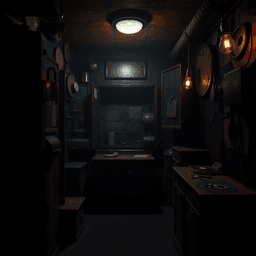
Escape rooms have transformed interactive entertainment by offering immersive puzzle experiences that demand sharp observation, teamwork, and creative problem-solving. These real-life games place you inside themed environments where every detail matters, every clue counts, and the clock is always ticking.
The rise of escape rooms has turned puzzle games into a popular hobby, with more people seeking these thrilling experiences for leisure and entertainment. Mind Trap Escape Room stands out as a premier provider of this engaging form of entertainment. With locations in Naperville, Temecula, Arlington, Murrieta, and Montgomery, Mind Trap brings its signature blend of challenging puzzles and captivating storylines to multiple communities. Whether you’re in the mood for an intense escape room game or prefer the convenience of an escape box experience at home, Mind Trap adapts to deliver memorable adventures.
Key elements that define Mind Trap Escape Rooms include:
- Teamwork: Success hinges on effective collaboration among participants.
- Critical thinking challenges: Puzzles test your ability to analyze clues and connect dots under pressure.
- Thrilling themes: From mysterious crime scenes to adventurous treasure hunts, each scenario immerses you fully.
If you seek an unforgettable adventure combining mental agility with immersive storytelling, Mind Trap Escape Rooms promise exactly that—a dynamic experience where every moment challenges and excites.
Understanding the Appeal of Mind Trap Escape Rooms
Mind Trap Escape Room offers more than just a game—it creates themed environments that fully immerse you in captivating, real-life puzzle experiences. Each room is carefully designed to transport players into a unique scenario, whether it's unraveling a mystery, embarking on an adventurous quest, or facing chilling horror elements. The attention to detail in setting and props enhances the feeling that you're part of an unfolding story.
How Mind Trap Escape Rooms Challenge You
Puzzle challenges in Mind Trap Escape Rooms engage multiple skills simultaneously:
- Clue Searching: You actively explore the environment to find hidden objects, cryptic notes, or subtle hints.
- Making Connections: Puzzles often require linking disparate pieces of information creatively to unlock new steps.
- Completing Tasks Under Time Limits: A strict countdown adds tension and urgency, encouraging quick thinking and collaboration.
A Range of Difficulty Levels and Themes
Difficulty levels vary widely across rooms, catering to beginners eager to test their wits as well as seasoned escape artists looking for complex riddles and multi-layered puzzles. Themes range from spine-tingling horror scenarios with graphic details to thrilling heists and intriguing mysteries. This variety keeps the experience fresh and appeals to different tastes, ensuring you can find a challenge that fits your mood or group dynamic.
Mind Trap’s ability to blend immersive storytelling with diverse puzzle types makes it stand out as more than just an escape room—it becomes an engaging adventure that sharpens your problem-solving skills while delivering intense entertainment.
Popular Themes and Experiences at Mind Trap Escape Rooms
Mind Trap Escape Rooms cater to a wide range of interests through their diverse escape room themes. Each theme creates a unique atmosphere that shapes the gameplay experience and the nature of the challenges players face.
Graphic and Horror Escape Rooms
One of the standout offerings is the Saw Escape Room, inspired by the iconic horror franchise. These horror escape rooms often include:
- Dark, suspenseful environments
- Intense, sometimes graphic puzzles
- Psychological thrills that push players’ problem-solving under pressure
The horror theme heightens adrenaline and demands quick thinking amid tension. It appeals to those who enjoy spine-chilling experiences combined with cerebral challenges.
Adventure and Heist Scenarios
Adventure escape rooms immerse you in treasure hunts or daring heist missions. These themes focus more on exploration and discovery, with puzzles like:
- Decoding ancient maps or symbols
- Unlocking safes or hidden compartments
- Strategizing to outwit fictional security systems
Adventure-themed rooms emphasize excitement and narrative immersion, encouraging creativity and teamwork as you unravel clues step-by-step.
Mystery Scenarios
Mystery-themed rooms put you in detective roles, where every puzzle piece uncovers part of a larger story. Typical features include:
- Riddles that test logic and deduction
- Searching for hidden evidence in intricate settings
- Connecting seemingly unrelated clues to solve crimes or secrets
These scenarios appeal to those who love piecing together stories and enjoy intellectual challenge over physical tasks.
Influence of Popular Culture
Mind Trap’s themes often draw from well-known movies, TV shows, or classic story archetypes. This connection enhances engagement by:
- Providing familiar contexts that spark interest immediately
- Leveraging iconic symbols or narratives to deepen immersion
- Encouraging players to step into roles they've seen on screen or read about
Popular culture references make the experience feel accessible while adding layers of meaning to puzzles.
How Themes Shape Gameplay
The chosen theme directly affects:
- The style of puzzles (e.g., mechanical locks in heists vs. psychological riddles in horror)
- The pacing of the game—fast-paced thrill vs. thoughtful deduction
- The emotional tone—whether it’s suspenseful, adventurous, or mysterious
Selecting a theme that aligns with your group's preferences can drastically improve enjoyment and challenge satisfaction.
Mind Trap Escape Rooms offer this variety so every visit can deliver a fresh, captivating adventure tailored to different tastes and puzzle-solving styles.
The Role of Team Building in Escape Rooms
Escape rooms are great for promoting teamwork and improving communication skills. To solve the puzzles in an escape room, every player needs to contribute their own viewpoint and abilities.
Why Escape Room Team Building Works
Here's why team building works so well in escape rooms:
- Shared Goals: Everyone works toward a common objective—escaping within the time limit. This shared purpose naturally encourages cooperation.
- Complementary Strengths: Different players pick up on different clues or approaches, making collaboration essential.
- Immediate Feedback: Successes and failures happen in real-time, requiring quick adjustment and group decision-making.
Collaboration Through Puzzle Solving
In Mind Trap Escape Room scenarios, participants need to:
- Look for clues individually but share what they find quickly.
- Connect pieces of information that might not seem related at first.
- Divide tasks wisely to cover more area efficiently.
These actions rely heavily on clear communication. Teams that start open conversations early tend to do better because they avoid doing the same thing twice and solve puzzles faster.
Benefits for Various Groups
Escape room team building is suitable for both corporate settings and casual get-togethers like friends or family:
- Corporate Groups: Encourages problem-solving under pressure, sharpens leadership skills, and breaks down hierarchical barriers in a fun setting.
- Friends and Families: Builds trust, creates memorable shared experiences, and strengthens interpersonal bonds through cooperative play.
Mind Trap Escape Room’s diverse themes and difficulty levels allow groups of all sizes and dynamics to find appropriate challenges that test their collective abilities while providing entertainment.
Virtual and Virtual Reality Escape Rooms: The New Frontier
Virtual escape rooms have become a popular alternative to traditional, physical escape room experiences. These online puzzle games bring the excitement of solving mysteries and cracking codes directly to your computer or mobile device. With virtual escape rooms, you can participate from anywhere, removing location barriers and making group play more accessible for friends, families, or coworkers separated by distance.
Differences Between Traditional and Virtual Reality-Enhanced Escape Games
- Traditional virtual escape rooms usually involve interactive websites or video conferencing platforms where players work together to solve puzzles presented digitally. They rely heavily on observation, communication, and logical deduction.
- Virtual reality (VR) escape rooms take immersion a step further by placing players inside fully simulated 3D environments. You wear VR headsets and navigate through the space as if you were physically there. This adds a sensory depth—visuals, sounds, even spatial awareness—that traditional setups can’t match.
- VR escape rooms often include physical interactions within the digital world such as picking up objects, exploring hidden compartments, or manipulating mechanisms with hand controllers. This level of interactivity enhances the feeling of presence and engagement.
Advantages of Virtual Escape Rooms
- Remote Participation: Teams don’t need to be in the same room—or even the same city—to enjoy the experience. Remote players can join via internet connections, making it ideal for distributed teams or long-distance friends.
- Flexible Scheduling: Without the constraints of a physical venue’s hours or booking limits, virtual escape rooms often provide more flexible time slots.
- Cost Efficiency: Eliminating venue costs means some virtual games offer lower prices or free trials compared to brick-and-mortar locations.
- Immersive Digital Environments: VR technology transforms puzzles into multi-sensory adventures. It also allows creators to design fantastical settings impossible in real life—like alien worlds or underwater ruins—expanding creative possibilities.
- Accessibility: Players with mobility limitations can enjoy virtual experiences without worrying about navigating physical spaces.
The rise of virtual and VR escape rooms reflects how technology reshapes entertainment while preserving core elements: teamwork, critical thinking, and immersive storytelling. Whether you prefer solving clues on a screen with friends across the globe or diving into a VR mystery room alone or with others, these formats broaden how you can experience Mind Trap’s captivating challenges.
For those who are interested in exploring more about escape room games recommendations, there are numerous resources available online that offer insights into various game options and their unique features.
Comparing Puzzle Types Found in Mind Trap and Other Popular Brands' Games Like The Basement Room or Saw Challenges
Escape room puzzles like The Basement Room or Saw Challenges have set a high bar with their intense, often graphic themes and intricate puzzle designs. Mind Trap Escape Rooms hold their own by offering a diverse range of puzzle types that blend mental agility with physical interaction.
Common puzzle types featured in Mind Trap games include:
- Pattern Recognition: Identifying sequences, symbols, or codes hidden within the environment. This requires sharp observation and the ability to connect seemingly unrelated elements.
- Logic Puzzles: Deductive reasoning challenges where players must analyze clues to unlock codes or solve riddles. These puzzles often involve number sequences, wordplay, or spatial reasoning.
- Physical Challenges: Tasks requiring manipulation of objects, assembling pieces, or interacting with the room's props. This adds a tactile dimension that enhances immersion and team coordination.
These puzzles encourage problem-solving and creative thinking, pushing participants to look beyond obvious answers. For example, a pattern recognition task might seem straightforward until combined with a riddle that reframes how clues are interpreted.
Comparing Mind Trap’s offerings to popular brands like The Escape Game or Exit Game franchises reveals both shared elements and unique distinctions:
- Mind Trap vs The Escape Game: Both emphasize immersive storytelling and thematic depth. However, Mind Trap often integrates more hands-on physical challenges alongside traditional logic puzzles. The Escape Game tends to focus heavily on narrative-driven clue discovery with fewer intense physical tasks.
- Mind Trap vs Exit Game (including Exit Room): Exit Game experiences frequently revolve around clue-based puzzles with an emphasis on solving riddles under pressure. Mind Trap balances this by including graphic/horror themes akin to Saw Challenges but cushions intensity with varied difficulty levels for broader appeal.
- The Basement Escape Room Influence: Known for its dark atmosphere and psychologically challenging puzzles, The Basement sets a tone that some Mind Trap locations mimic through horror-themed rooms rich in suspenseful problem-solving moments.
Puzzles at Mind Trap also stand out by mixing different puzzle genres within a single game—switching between clue searching, pattern decoding, and physical tasks keeps teams engaged and demands versatile thinking styles. This approach contrasts with brands focusing predominantly on either purely logic puzzles or solely physical challenges.
Engaging with escape room puzzles like those found at Mind Trap requires you to leverage multiple skill sets simultaneously—sharp observation meets teamwork meets time management. When matched against other popular brands such as The Escape Game or Exit Game franchises, you’ll notice how each brand’s puzzle design philosophy shapes the overall experience. Mind Trap’s blend of clue-based puzzles, logic puzzles, and physical interaction offers a comprehensive challenge that appeals across all player levels while maintaining the thrill of discovery seen in top-tier escape room adventures.
Personal Experience Reflection: Symbolism and Connections with the Number 8 During My Mind Trap Adventure
Encountering symbolic numbers during an escape room experience can transform ordinary puzzles into something more personal and memorable. During one of my visits to a Mind Trap Escape Room location, the number 8 seemed to appear repeatedly, creating an unexpected thread woven through both the game and my real-world surroundings.
Notable Encounters with the Number 8
Here are some notable encounters I had with the number 8 during my Mind Trap adventure:
- While reviewing bank transactions before heading to the venue, I noticed a curious pattern: several payments had the amount 88 dollars or cents.
- On the way to the escape room, two cars passed me with license plates featuring 88, catching my attention amid the usual traffic blur.
- Upon arriving at my hotel for the night near the Mind Trap location, I was assigned room number 8 — a detail that felt almost too precise to be coincidence.
These subtle yet consistent encounters with the number 8 added an extra layer of intrigue to my quest room adventure. The number itself carries significant symbolism in various cultures, often representing infinity (due to its shape), balance, or luck. This symbolism can resonate deeply when immersed in a puzzle environment that thrives on meaning and hidden connections.
The Role of Escape Rooms in Enhancing Symbolic Engagement
Escape rooms like those from Mind Trap are designed to engage not just your problem-solving skills but also your perception of details around you. Spotting symbolic numbers such as 8 during the experience can make it feel more immersive and personalized. It’s almost as if these numbers act as secret signposts or easter eggs within the broader narrative of escape room puzzles.
This personal experience highlights how symbolic numbers in escape rooms:
- Enhance emotional engagement by connecting game elements with real-life moments.
- Encourage players to remain observant beyond obvious clues.
- Add depth to the storytelling aspect of immersive puzzle adventures.
You might find that recognizing meaningful numbers during your own escape room quests creates additional excitement or insight — whether it’s in Mind Trap Escape Rooms, The Escape Room, or any other immersive puzzle environment. Paying attention to such details could turn a standard challenge into a unique personal journey filled with unexpected connections.
Moreover, this experience underlines the cultural impact of escape rooms, showcasing how these immersive experiences can transcend mere entertainment and become deeply personal and symbolic journeys.
Why Choose Mind Trap Escape Rooms for Your Next Adventure?
Mind Trap Escape Rooms stand out from the competition because they have a wide range of locations and themes. This makes it easy for many people to enjoy their escape rooms. No matter where you are in Naperville, Temecula, Arlington, Murrieta, or Montgomery, there is a Mind Trap venue near you that offers exciting and challenging experiences designed for different interests and group sizes.
Diverse Locations for Convenience and Variety
Here are some reasons why having multiple locations is beneficial:
- You won't have to travel far to find a good escape room.
- Each Mind Trap location maintains high standards but may have its own special rooms or themes based on local preferences.
- It's easy to access Mind Trap's interactive entertainment options for families and friends, whether you're planning a fun weekend or organizing a special event.
Themes Designed to Engage Different Preferences
Mind Trap offers various themes to cater to different interests:
- Horror-themed rooms are perfect for those seeking an intense thrill.
- Adventure-based scenarios appeal to fans of heists or treasure hunts.
- Mystery puzzles challenge your analytical skills with intricate storylines and layered clues.
Perfect Fit for Various Group Types
Mind Trap's escape rooms are suitable for different types of groups:
Families:
Escape rooms promote bonding by encouraging cooperation among family members of all ages. Kids and adults can participate in clue searching, puzzle solving, or physical challenges together.
Friends:
Groups of friends find excitement in Mind Trap's escape rooms as they combine laughter, competition, and problem-solving. These shared experiences create lasting memories.
Corporate Teams:
Companies use Mind Trap as an unconventional team-building activity. The time pressure and complex puzzles require effective communication, leadership, delegation, and creative thinking—skills that are valuable in the workplace.
Group Activities in Key Cities
Mind Trap's presence in important cities like Naperville, Temecula, Arlington, Murrieta, and Montgomery supports local communities by providing engaging group activities. Whether you're planning a family outing or corporate retreat, you can expect reliable service and entertaining challenges from Mind Trap.
Benefits include:
- Flexible booking options that accommodate small or large groups.
- Rooms designed to promote collaboration rather than competition.
- Facilitators who assist without giving away solutions, enhancing the sense of accomplishment.
Choosing Mind Trap means choosing an escape room experience that combines fun with mental stimulation across multiple convenient locations. Their focus on teamwork makes them an ideal choice for any group looking for interactive entertainment or professional development opportunities through corporate challenges.
Tips for Successfully Completing a Mind Trap Escape Room Challenge
Mastering tips for escape room success can turn your Mind Trap experience from challenging to thrilling. These practical strategies focus on teamwork and efficient problem-solving, essential for cracking puzzles under time pressure.
1. Divide Tasks Among Team Members Efficiently
Assign roles based on each person’s strengths early in the game. For example:
- One or two people can focus on searching for hidden clues.
- Another member can organize found items and track solved puzzles.
- Someone with strong logical skills can tackle riddles and pattern recognition.
This approach prevents duplication of effort and keeps the team moving forward without getting stuck on one puzzle.
2. Communicate Findings Immediately
Constant communication is vital. Share every clue or idea as soon as you discover it, no matter how small it seems. Often, a single piece of information unlocks progress in another puzzle or helps teammates see connections faster.
Use clear, concise language to describe clues and hypotheses. Avoid holding back details or assumptions since collaboration thrives on complete transparency.
3. Stay Calm Under Pressure
Escape rooms are designed to create an intense atmosphere with ticking clocks and suspenseful themes. Keeping a cool head helps maintain focus and prevents frustration from clouding judgment.
If you feel overwhelmed:
- Take a deep breath.
- Step back briefly to reassess the situation.
- Encourage positive energy within your group by supporting each other.
Stress can slow down mental processing, but calmness sharpens observation and reasoning skills—critical for solving puzzles efficiently within the time limits.
Bonus Teamwork Strategies
- Rotate tasks regularly: Prevent fatigue and keep perspectives fresh by switching roles after finishing a puzzle.
- Keep physical space organized: A clutter-free environment reduces confusion when juggling multiple clues.
- Use whiteboards or note-taking tools: Visual aids help track progress and potential leads clearly.
Applying these tips maximizes your chances at escaping Mind Trap rooms faster while enhancing the fun through effective teamwork strategies.
Conclusion
Mind Trap Escape Room invites you to dive into immersive worlds where every puzzle solved brings your team closer to victory. Whether you choose the physical thrill of navigating a themed room or the digital immersion of a virtual escape experience, each format offers unique opportunities to sharpen your critical thinking and enjoy dynamic teamwork.
Engaging with Mind Trap Escape Room means stepping into scenarios crafted to test creativity, communication, and collaboration. You’ll uncover hidden clues, connect intricate details, and conquer time-based challenges—all while sharing memorable moments with family, friends, or colleagues.
Take on the adventure that transforms problem-solving into fun. Challenge yourself with Mind Trap Escape Room’s diverse themes and difficulty levels designed to captivate players of all backgrounds. Your next unforgettable experience awaits—where teamwork meets thrilling puzzles in perfect harmony.
FAQs (Frequently Asked Questions)
What is Mind Trap Escape Room and where are its locations?
Mind Trap Escape Room is an immersive puzzle experience that offers themed real-life escape games combining teamwork, critical thinking, and thrilling challenges. It has multiple locations including Naperville, Temecula, Arlington, Murrieta, and Montgomery.
What types of themes and puzzles can I expect at Mind Trap Escape Rooms?
Mind Trap Escape Rooms feature a variety of themes such as horror (e.g., Saw Escape Room), adventure, mystery, heists, and treasure hunts. The puzzles include clue searching, pattern recognition, riddles, physical challenges, and tasks to be completed under time limits with varying difficulty levels.
How do Mind Trap Escape Rooms support team building and group activities?
Escape rooms like Mind Trap are ideal for team-building as they require collaboration, effective communication, and collective problem-solving. They benefit corporate groups as well as families and friends by enhancing teamwork skills in an engaging environment.
Are there virtual or virtual reality options available for Mind Trap Escape Rooms?
Yes, Mind Trap offers virtual escape room experiences that provide accessible alternatives to physical locations. These include online puzzle games and virtual reality-enhanced escape rooms that allow remote participation in immersive digital environments.
How do Mind Trap puzzles compare to those from other popular escape room brands?
Mind Trap puzzles involve clue-based challenges, logic puzzles, pattern recognition, riddles, and physical tasks similar to other popular brands like The Basement Room or Saw Challenges. They encourage creative thinking and problem-solving while offering unique thematic experiences distinct from franchises like The Escape Game or Exit Game.
What tips can help me successfully complete a Mind Trap Escape Room challenge?
To succeed in a Mind Trap Escape Room challenge, divide tasks efficiently among team members, communicate discoveries immediately, stay calm under pressure, and collaborate closely to solve puzzles within the time limits for an unforgettable interactive entertainment experience.
Comments
Post a Comment