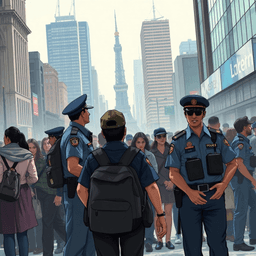
Police corruption is a hidden but widespread danger for travelers everywhere. It takes many forms—bribery, extortion, harassment—and directly affects travel safety and the overall experience of visitors. When planning a trip, it's crucial to understand the local law enforcement situation to avoid problems that could jeopardize your safety and finances.
Corruption around the world during travel varies widely between countries and regions. Some places have relatively honest police forces, while others are known for corrupt practices that can lead to unpleasant encounters with authorities. The Global Corruption Index and Global Corruption Barometer are helpful tools for understanding these differences and assessing potential risks before you travel.
Travelers often underestimate the impact of police corruption on their journeys. It can affect everything from routine traffic stops to serious legal matters involving your money or property overseas. By being aware of these risks in advance, you can take steps to protect yourself and make better choices about your travel plans.
Learning about police corruption around the world will help you develop a realistic understanding of what to expect during your trips. This knowledge is essential for staying safe in an increasingly connected world.
Understanding Police Corruption in the Context of Travel
Police corruption is a complex issue that directly affects travelers, often in unexpected ways. At its core, police corruption involves the misuse of authority by law enforcement officers for personal gain. This can take several forms:
- Bribery: Officers demanding or accepting money or favors in exchange for ignoring violations, providing protection, or expediting services.
- Extortion: Coercing travelers into paying sums under threat of arrest, detention, or fabricated charges.
- Harassment: Intimidation tactics including unnecessary stops, aggressive questioning, or physical abuse to intimidate or extract bribes.
Travelers frequently encounter specific types of police corruption that distort their experience and safety abroad:
- Unjustified Arrests: Tourists may be detained on false grounds, creating pressure to pay bribes for release.
- Demand for Bribes: Routine traffic stops or minor infractions become opportunities for officers to solicit payments.
- Fabricated Violations: Authorities may invent violations or exaggerate offenses to increase financial gain.
- Selective Enforcement: Corrupt officers might overlook serious crimes if victims pay bribes but target others unfairly.
These corrupt practices are often intertwined with broader issues of political corruption. The World Corruption Index 2022 and Corruption Perception Index 2021, published by Transparency International, highlight how systemic political corruption undermines the integrity of law enforcement agencies. Countries ranking poorly on these indices tend to have higher reports of police bribery and extortion affecting not only locals but also foreign visitors.
Political corruption today shapes law enforcement behavior in several ways:
- Impunity for Officers: When police operate under protection from political figures, accountability diminishes.
- Inconsistent Application of Laws: Authorities may enforce laws unevenly depending on political interests or personal gain.
- Undermined Judicial Systems: Corruption within courts weakens checks on police misconduct.
The United Nations’ stance on corruption emphasizes the need for transparency and accountability within public institutions, including law enforcement. However, in many parts of the world where political corruption is entrenched, these ideals remain aspirational rather than actualized.
Understanding how political corruption influences police behavior helps travelers anticipate challenges they might face. In countries with high levels of corruption, according to Transparency International’s corruption reports, tourists must be particularly cautious about interactions with law enforcement.
Awareness about the types of police corruption and their roots in political systems equips you to better navigate encounters abroad without falling victim to exploitation or abuse.
Understanding Police Corruption: A Global Perspective for Travelers
If you're a traveler concerned about the potential risks associated with police corruption, you're not alone. Many people share similar worries when it comes to navigating unfamiliar territories. Fortunately, there's a way to gain insights into this issue by exploring various global corruption indices.
These indices serve as valuable tools that provide an overview of how corruption operates within government institutions, including law enforcement agencies, across different countries. By familiarizing yourself with these resources, you can better assess the potential risks you may encounter during your travels.
Key Global Corruption Indices to Consider
When it comes to understanding police corruption on a global scale, several key indices stand out:
- Transparency International Corruption Perception Index (CPI): This index ranks countries based on perceived levels of public sector corruption, including police misconduct. Scores range from 0 (highly corrupt) to 100 (very clean). A lower score often indicates higher risks for travelers encountering bribery or extortion by police officers.
- Global Corruption Barometer (GCB): Unlike the CPI, which relies on expert assessments, the GCB gathers public opinion on corruption experiences through surveys. It highlights how frequently citizens and foreigners face corrupt demands from officials like police, shedding light on real interactions rather than just perceptions.
- World Corruption Index and International Corruption Index: These indices compile data from multiple sources such as expert assessments, surveys, and reports. While they focus on broader government corruption, law enforcement is a critical component included in their evaluations.
By consulting these indices before your trip, you can gain valuable insights into the potential risks associated with police corruption in your destination country.
How These Indices Measure Police and Government Corruption Levels
The CPI and other similar indices evaluate various factors that influence corruption levels within a country:
- Frequency of bribery requests by officials
- Transparency and accountability mechanisms in place
- Effectiveness of anti-corruption laws and enforcement
- Public trust in police and government institutions
These factors play a significant role in shaping how travelers might experience law enforcement in each country. For instance, if a country has a low CPI score indicating high levels of perceived corruption, it is likely that travelers will encounter more frequent cases of police demanding bribes or engaging in extortion.
Using Corruption Indices as Practical Guides for Travelers
Corruption indexes serve as practical guides for travelers by:
- Identifying high-risk destinations where corrupt practices are entrenched
- Helping travelers prepare mentally and logistically for potential encounters with corrupt officers
- Informing choices about travel destinations based on safety concerns related to law enforcement
Countries scoring poorly on these indices often report common issues such as unjustified arrests targeting foreigners or demands for “facilitation payments” to avoid penalties.
“Understanding the Transparency International corruption perception index can be crucial when planning travel, especially in regions where legal protections for tourists are weak.”
The Role of Transparency International as a Resource
Transparency International remains the most authoritative source for tracking global corruption trends. Their annual reports combine quantitative scores with qualitative analysis, offering:
- Country-specific insights into public sector integrity
- Trends over time showing improvements or deteriorations in corruption levels
- Data that travelers can cross-reference with local advisories and news reports
Using these resources alongside personal vigilance helps reduce vulnerability to police corruption while traveling.
Case Study 1: Mexico—Challenges for Tourists Facing Police Corruption
Mexican police corruption remains a significant challenge for travelers, with bribery and extortion being common tactics used by some law enforcement officers. Tourists often encounter demands for quick cash payments to avoid fabricated fines or unjustified arrests. These corrupt practices can escalate if tourists are unaware of their rights or unfamiliar with local laws.
Specific Examples of Police Corrupt Practices in Mexico
Here are some specific examples of corrupt practices involving police in Mexico:
- Bribe Demands: Officers may stop tourists for minor or nonexistent infractions such as improper parking or supposed documentation issues, then insist on immediate payment to avoid formal charges.
- Unjustified Arrests: In some cases, tourists face temporary detention based on false accusations, with release contingent upon paying a bribe.
- Harassment at Checkpoints: Police checkpoints in tourist areas sometimes serve as points where travelers are pressured for payments under the guise of security checks.
These activities are part of broader corruption patterns that affect daily life in various regions of Mexico. The presence of top secret agents or undercover officials working alongside corrupt officers complicates matters further, making it difficult to distinguish between legitimate law enforcement and extortion attempts.
Common Scams Targeting Tourists
In addition to police corruption, travel around the globe reveals numerous scams designed to exploit visitors in Mexico:
- Timeshare Fraud: Aggressive sales tactics lure tourists into expensive timeshare contracts that prove difficult to escape. This scam often operates near popular hotels and resorts.
- Hotel Design for Scams: Certain hotels are structured to funnel guests into tours or services run by corrupt operators, who may rely on connections with local police to intimidate or coerce compliance.
- Fake Accidents and Legal Troubles: Some scammers stage accidents involving tourists' vehicles or property damage and use collusion with corrupt police officers to demand immediate settlements.
Safety Tips for Travelers Dealing with Corrupt Officers in Mexico
Here are some safety tips for travelers dealing with corrupt officers in Mexico:
- Request Official Identification: Always ask police officers to show their ID badge and write down their name and badge number. Genuine officers will comply without hesitation.
- Contact Official Authorities: If you feel threatened or suspect corruption, contact the nearest official police station or your embassy rather than paying bribes on the spot.
- Avoid Carrying Excess Cash: Limit the amount of cash you carry to reduce vulnerability during random stops.
- Stay Calm and Polite: Aggressive behavior can escalate situations. Maintaining composure helps prevent misunderstandings or provocations.
- Know Your Rights: Familiarize yourself with basic Mexican laws related to traffic, visas, and crime reporting before traveling.
- Establish Lawyer Connections Ahead of Travel: Having contact information for reputable local lawyers experienced in handling cases involving foreign tourists can be invaluable if legal assistance becomes necessary.
Understanding these risks equips travelers to better navigate Mexico’s complex environment where corruption intersects with tourism. Being prepared reduces the chance of falling victim to bribery and extortion while ensuring a safer visit.
Case Study 2: Tanzania—Police Corruption Amid Broader Security Concerns
Tanzanian police corruption presents unique challenges, especially when viewed through the lens of ongoing terrorism threats and political instability. The law enforcement environment is influenced by efforts to maintain national security, which can complicate interactions between police and travelers.
Key aspects of police corruption in Tanzania include:
- Extortion and Bribery: Tourists and foreign nationals may face demands for bribes during routine checks, especially in border areas or when visa status is questioned. Officers sometimes exploit their authority to solicit payments to overlook minor infractions or alleged paperwork issues.
- Arbitrary Detentions and Fines: Foreign visitors have reported being detained or fined for visa irregularities or business-related activities, often without clear explanation. These detentions can appear as pressure tactics for extracting money or compliance.
- Political Context: Tanzania’s political climate affects law enforcement practices. Police corruption sometimes intersects with efforts to suppress dissent, where certain groups—including journalists and political opponents—face harassment. This atmosphere can heighten risks for travelers perceived as involved in sensitive activities.
Implications for foreign nationals:
- Visa holders conducting business should be vigilant about compliance with local regulations, as enforcement may be inconsistent. Failure to present proper documentation can lead to unexpected fines or detention.
- Visitors are advised to keep copies of all travel documents and permits readily accessible to avoid misunderstandings during police interactions.
- When confronted by officials demanding money or fines, requesting official receipts and avoiding on-the-spot cash payments reduces vulnerability to corruption schemes.
The complex security environment in Tanzania means that police corruption cannot be viewed in isolation; it merges with broader concerns such as terrorism prevention efforts and political control measures. Travelers should stay informed about local developments and understand that encounters with law enforcement might carry additional layers of risk beyond typical corruption issues.
Other Regions with Notable Police Corruption Affecting Travelers
Police corruption manifests differently across continents, reflecting local political, economic, and social dynamics. Understanding these regional variations helps travelers prepare and respond effectively.
Asia Police Corruption
Asia presents a complex landscape of police corruption. Countries within this region vary widely in governance quality and law enforcement integrity.
Southeast Asia
In nations like the Philippines, Indonesia, and Thailand, you may encounter bribery demands for minor traffic violations or exaggerated accusations to extract fines. Tourist hotspots sometimes see officers exploiting language barriers or unfamiliarity with local laws.
South Asia
India and Pakistan experience issues such as fabricated charges against foreigners to solicit bribes or delays in processing documents unless payments are made. Corruption there often intersects with bureaucratic inefficiencies.
East Asia
While countries like Japan and South Korea have relatively low police corruption levels, some areas in China report occasional harassment or requests for unofficial payments from travelers, especially in less urbanized regions.
Common corrupt practices in Asia include:
- Extortion through fabricated legal troubles
- Unlawful detention until bribes are paid
- Demanding “facilitation fees” for routine services
Africa Police Corruption
Africa shows diverse patterns of police corruption affecting travelers depending on the country’s governance and security context.
West Africa
Countries such as Nigeria and Ghana have frequent reports of police demanding bribes at checkpoints or during routine stops. These demands can escalate into intimidation tactics if refused.
East Africa
Beyond Tanzania, Kenya and Uganda also exhibit issues where tourists face harassment or are required to pay unofficial fees related to visas, permits, or traffic offenses.
Southern Africa
South Africa has a mixed reputation; while major tourist areas generally maintain better policing standards, isolated cases of bribery and extortion persist.
Unique corrupt practices in African countries include:
- Checkpoint bribe solicitations disguised as “security measures”
- Delays caused by falsified paperwork requiring payment for release
- Collusion between police and local criminals targeting tourists
Cross-Continental Perspectives: America, Asia & Africa-America Interactions
Travelers moving between continents such as America, Asia, or Africa and America might notice differences but similar challenges regarding police corruption.
- In parts of Latin America (America), corrupt officers may mimic some Asian corrupt practices, such as demanding cash under threats of arrest, but often add layers linked to organized crime presence.
- African tourists visiting Asia sometimes encounter unfamiliar but equally exploitative scenarios where language barriers amplify vulnerability to corruption.
Such cross-regional comparisons reveal that corrupt law enforcement is rarely uniform. It adapts to local contexts but consistently exploits travelers’ unfamiliarity with rules and rights.
Europe-Asia Dynamics
Europe generally maintains lower levels of police corruption compared to many parts of Asia. However:
- Travelers from Europe visiting Asian countries should be alert to different policing norms and potential exploitation.
- Some border regions between Europe and Asia show pockets where bribery is common due to weak regulatory oversight.
Understanding these regional distinctions allows you to anticipate risks better when traveling between continents known for varying degrees of police corruption.
Awareness of how Asian police corruption and African police corruption differ equips you with insights tailored to your travel destination. Recognizing distinct corrupt tactics helps you remain vigilant and reduces chances of falling victim during your journeys across Asia, Africa, or borders within America-Asia corridors.
How Police Corruption Impacts Traveler Safety and Experience Globally
Police corruption creates significant challenges that directly affect traveler safety abroad. The consequences extend beyond isolated incidents, influencing the overall experience of visitors in many destinations.
Safety Risks and Financial Consequences
Travelers often encounter situations where corrupt officers exploit their authority. These abuses can include:
- Unjustified stops or detentions: Tourists may be targeted for minor or fabricated infractions to extract bribes.
- Demanding immediate cash payments: Officers might insist on payment “on the spot” to avoid complications like arrests or confiscation of documents.
- Scams involving traveler assets: Confiscation or temporary holding of passports, visas, or other identification can be used as leverage to demand financial assets.
- Manipulation of local laws: In some cases, travelers are falsely accused of breaking legal provisions, leading to fines or fees paid directly to officers rather than through official channels.
These practices cause direct financial loss and jeopardize the commission of traveler asset management by restricting access to essential documents and funds.
Psychological Impact on Travelers
Encounters with police corruption generate stress, anxiety, and a deep mistrust toward local law enforcement. This psychological toll manifests in various ways:
- Heightened vigilance that can detract from the enjoyment of travel.
- Feelings of vulnerability and helplessness when facing authority figures who should provide protection.
- A reluctance to seek help from police even when genuinely needed, due to fear of mistreatment or further exploitation.
Such experiences can leave lasting impressions, coloring perceptions of entire countries or regions and discouraging repeat visits.
Connection with Broader Corruption Indicators
The risks faced by travelers often correlate with a country's standing on the government corruption index. Nations scoring poorly typically exhibit more frequent instances of police misconduct affecting tourists. These indices provide valuable insight into potential threats before travel, reflecting the prevalence and severity of corruption around the world during travel around the globe.
Awareness of these factors equips travelers with realistic expectations and encourages precautionary measures. Recognizing how deeply embedded corruption can impact daily interactions is critical for maintaining both physical safety and protecting financial assets while abroad.
Strategies for Travelers to Navigate Police Corruption During Their Trips
Navigating police corruption requires a mix of awareness, preparation, and calm interaction. Applying anti-corruption compliance travel tips can significantly reduce risks and help you handle difficult encounters effectively.
Key Practical Advice
- Carry minimal cash and valuables: Limiting the amount of money and expensive items on you reduces temptation and potential loss if confronted by corrupt officers.
- Keep important documents secure: Store your passport and visas in a safe place; carry photocopies or digital versions for routine checks.
- Remain polite and respectful: A calm demeanor lowers tension. Avoid arguing or showing frustration, which might escalate situations.
- Learn basic local laws: Knowing common rules helps prevent inadvertent violations that could be exploited by corrupt officials.
Steps to Take When Confronted by Police
- Request identification: Always ask officers to show official ID badges or credentials. Genuine law enforcement personnel should comply without resistance.
- Document the encounter discreetly: If possible, record details such as badge numbers, names, time, and location on your phone or notebook.
- Admit minor violations if applicable: Acknowledging small infractions calmly can sometimes de-escalate demands for bribes or harassment.
- Avoid immediate cash payments on the spot: Insist on paying fines at official government offices rather than handing over money directly to officers.
- Seek assistance from your embassy or consulate: Contact them if you feel threatened or unfairly treated; they can intervene or provide guidance.
- Use local emergency numbers or trusted third parties: If corruption escalates, calling official authorities or tourist police units may help resolve the issue.
Additional Tips
- Understand cultural expectations around interaction with police; some countries have strict protocols that travelers should respect to avoid misunderstandings.
- Share your travel plans and contact info with trusted individuals who can assist in emergencies involving law enforcement.
- Consider registering with official traveler programs where available, which may offer extra protection or quick support.
Applying these strategies creates a practical framework for minimizing exposure to police corruption during travel. Being prepared allows you to maintain control of difficult situations without compromising safety or dignity.
Role of Anti-Corruption Organizations in Combating Police Corruption Worldwide
Anti-corruption organizations play a crucial role in monitoring, reporting, and combating police corruption globally. These entities often operate as anti-corruption commissions, anti corruption bureaus, or independent watchdogs tasked with exposing corrupt practices within law enforcement and government institutions.
Key Anti-Corruption Bodies
1. Transparency International
Known for its comprehensive Corruption Perceptions Index, Transparency International tracks corruption around the world, including police misconduct. Their Global Corruption Barometer collects firsthand experiences of citizens and travelers, offering valuable insights into the risks faced in various countries.
2. United Nations Office on Drugs and Crime (UNODC)
UNODC supports anti-corruption compliance initiatives by helping countries strengthen their legal frameworks and enforcement against bribery and extortion by police officers.
3. National Anti-Corruption Commissions/Bureaus
Many countries establish their anti corruption commissions or anti corruption bureaus. Examples include the Independent Commission Against Corruption (ICAC) in Hong Kong and Kenya’s Ethics and Anti-Corruption Commission (EACC). These bodies investigate allegations of police corruption, prosecute offenders, and promote ethical standards within law enforcement agencies.
How Reports from These Organizations Inform Travelers
Travelers benefit from the data and reports produced by these organizations in several ways:
- Identification of High-Risk Destinations
- Detailed rankings and surveys highlight which countries have high levels of police corruption. This information helps travelers assess potential risks before planning trips.
- Understanding Local Corruption Dynamics
- Reports shed light on common corrupt practices such as bribery demands, harassment, or unjustified detentions that tourists might encounter. This knowledge empowers travelers to recognize warning signs early.
- Guidance on Compliance and Precautions
- Some organizations provide practical recommendations for dealing with corrupt officials or navigating legal systems prone to abuse. For example, emphasizing the importance of requesting official identification or avoiding unofficial fines.
- Supporting Global Efforts to Reduce Corruption
- By publicizing issues transparently, these bodies contribute to international pressure on governments to reform law enforcement agencies. Such systemic changes indirectly improve safety conditions for visitors.
Role in Enhancing Anti-Corruption Compliance
Anti-corruption organizations also assist governments and businesses in implementing effective anti corruption compliance programs. These programs often include:
- Training police officers about ethical conduct
- Establishing anonymous reporting systems for corruption cases
- Monitoring law enforcement behavior through independent audits
This systemic approach reduces opportunities for corrupt practices targeting travelers, creating a safer environment worldwide.
The insight gained from anti-corruption commissions, bureaus, and organizations remains an essential resource for those seeking awareness about police corruption risks during international travel.
Conclusion
Travelers face real challenges due to corruption around the world during travel around the globe, especially relating to law enforcement. Understanding the risks is essential for maintaining your safety and peace of mind. Preparing yourself with knowledge about local police practices, recognizing common corrupt schemes, and knowing how to respond can reduce vulnerability to exploitation.
Key takeaways for enhancing your travel safety:
- Stay informed by consulting resources like the Transparency International Index and other corruption perception tools before your trip.
- Adopt vigilance in interactions with local police—always request identification and avoid handing over cash on the spot.
- Practice respectful communication; remaining calm and polite often defuses tense situations.
- Limit exposure by carrying minimal cash and official documents securely.
- Report incidents to appropriate authorities or embassies when possible, contributing to broader awareness.
Efforts toward global policing reform and travel safety depend not only on traveler preparedness but also on sustained international commitment. Pushing for transparency, accountability, and stronger anti-corruption measures benefits both visitors and local communities. Organizations monitoring corruption provide valuable data that supports policy changes and educates travelers worldwide.
Your proactive approach combined with global strides in reform can help create a safer environment where trust replaces fear in encounters with law enforcement abroad. Staying alert, informed, and cautious empowers you to navigate diverse legal landscapes while minimizing risk from corrupt practices.
FAQs (Frequently Asked Questions)
What is police corruption, and how does it impact travelers worldwide?
Police corruption includes bribery, extortion, and harassment by law enforcement officials. It negatively affects travelers through unjustified arrests, demands for bribes, and increased safety risks, leading to financial loss and stress during international travel.
How can understanding local law enforcement environments improve travel safety?
Being aware of the level and forms of police corruption in a destination helps travelers prepare for potential risks. Understanding local law enforcement practices enables tourists to navigate interactions more safely and avoid exploitation or scams.
What global indices measure police and government corruption affecting travelers?
Key resources such as Transparency International’s Corruption Perception Index and Global Corruption Barometer provide insights into corruption levels worldwide. These indices help assess the risk of police misconduct that travelers may face in various countries.
What are some examples of police corruption challenges faced by tourists in Mexico?
In Mexico, tourists often encounter bribery demands, unjustified arrests, and scams like timeshare fraud linked with corrupt officers. Safety tips include requesting officer identification and contacting official authorities if confronted with corruption.
How does police corruption intersect with broader security concerns in countries like Tanzania?
In Tanzania, police corruption occurs alongside issues like terrorism threats and political instability. Foreign nationals may face fines or detention related to visa or business activities influenced by corrupt law enforcement practices.
What strategies can travelers use to navigate police corruption during their trips?
Travelers should carry minimal cash, remain polite during encounters, request identification from officers, and admit any violations if applicable. Being informed about anti-corruption compliance measures can help avoid exploitation by corrupt officials.
Comments
Post a Comment