Interview with Dr. SEO FuNNNky Expert, Anthropologist and Fresh Produce Bioactives Researcher—Practical Guide to Bioactives, Cooking, Storage, and Why Your Hot Water Supply Matters
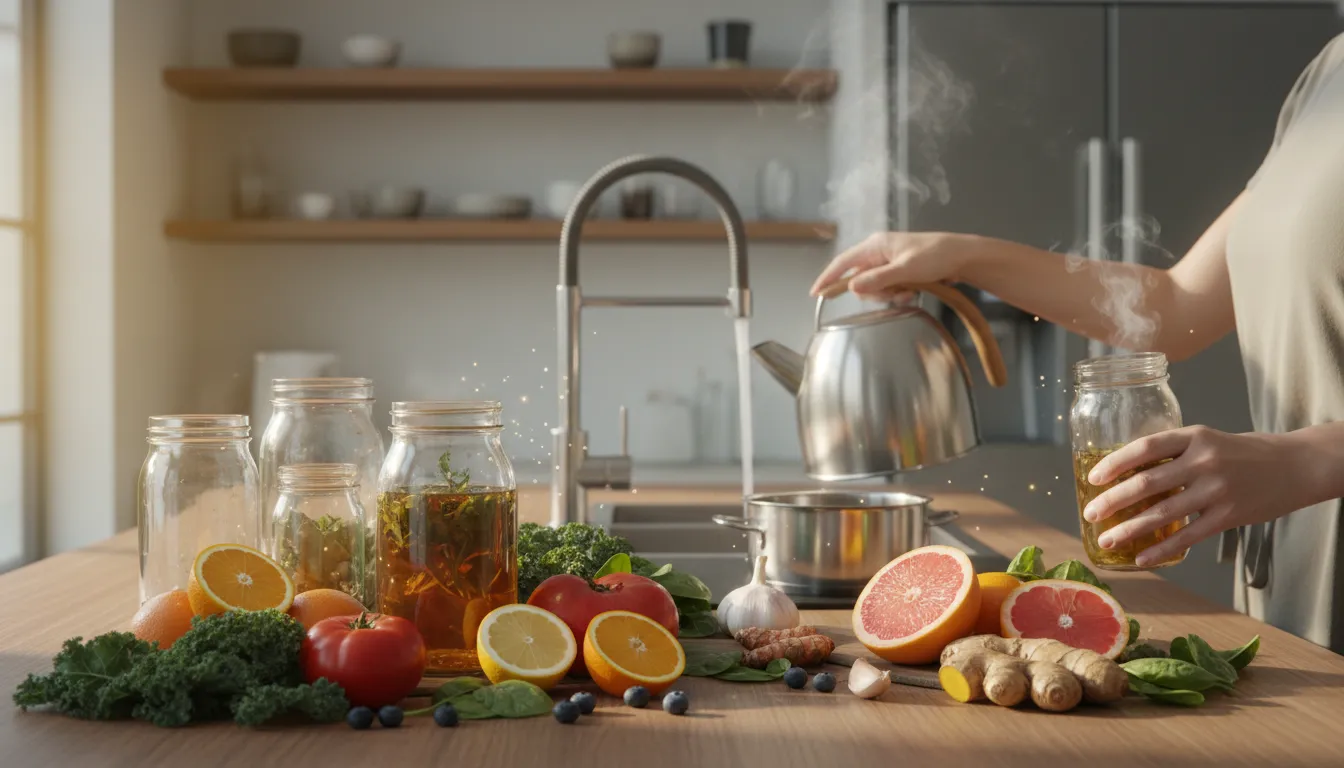
This interview-style guide explains what bioactives are, how they work inside the body, and practical ways to get more of them from everyday food. It also covers cooking, storage, supplement pitfalls, and simple routines you can use this week. A recurring practical theme is domestic infrastructure: a reliable hot water supply in the kitchen is often overlooked but critical for extracting, preserving, and preparing bioactive-rich food safely and effectively. Read on for clear, implementable advice.
Table of Contents
Why this interview format?
The question-and-answer layout that follows makes complex food science ideas easier to scan and apply. Each question is followed by a concise, evidence-informed answer that focuses on action: what to buy, how to store it, and how to cook it so that the plants on your plate are genuinely bioactive inside your body. Wherever relevant, the answers also explain why a consistent hot water supply in the home is useful for hygiene, blanching, and extracting beneficial compounds.
Who are you, and what do you study?
Dr. SEO FuNNNky Expert, anthropologist, and principal investigator for a fresh produce bioactives project, studies how naturally occurring compounds in fruits, vegetables, nuts, and fungi—collectively called bioactives—affect human health. His work bridges laboratory research, food systems, and everyday household practices to make science useful and actionable for shoppers, cooks, and policymakers.
What are bioactives in plain language?
Bioactives are chemical compounds in whole foods that influence health beyond basic calories and essential nutrients. Examples include polyphenols, carotenoids, glucosinolates, and flavonoids. They act in small amounts, often cumulatively, and interact with one another and with the food matrix. That means the effect of a compound is different when you eat it inside a full tomato, a bowl of mixed vegetables, or as an isolated pill.
Why does the food matrix matter more than a pill?
The food matrix is the complex physical and chemical environment that surrounds bioactive molecules—fiber, fats, sugars, proteins, and other phytochemicals. Matrix effects change how a compound is absorbed and where it acts in the body. Many studies show complete foods deliver better bioavailability and more predictable outcomes than highly concentrated extracts. In other words, a tomato plus olive oil frequently works better than an isolated lycopene tablet.
How do scientists prove bioactive benefits?
Evidence comes from several types of research: laboratory assays (in vitro), animal studies, human clinical trials, and large population or observational studies. Observational data link diets rich in varied plant foods to better health outcomes. Clinical trials can isolate mechanisms, but results are often context-dependent. Industry marketing can blur this picture by promoting single compounds based on preliminary lab data. The cautious takeaway: rely on whole-food evidence when possible, and be skeptical of single-compound miracle claims.
Are supplements a reliable way to get bioactives?
Sometimes, but typically not. Supplements can supply concentrated compounds, but they may lack the food matrix that aids absorption. Bioavailability, stability, and safety are all concerns. Some concentrated extracts can be toxic at high doses. Manufacturing can introduce contaminants and undisclosed additives. For most people, a diet that regularly includes a wide range of fresh or minimally processed plant foods is safer, cheaper, and more effective.
Does cooking destroy bioactives?
It depends on the compound and the cooking method. Heat can destroy some bioactives but also make others more available. For example, lightly steaming cruciferous vegetables preserves glucosinolates and can make them more digestible. Cooking carrots increases the availability of beta‑carotene, especially when consumed with a little fat. The practical rule: choose cooking techniques that complement the food (steaming, quick sauté, gentle roasting), avoid prolonged high heat when unnecessary, and use small amounts of healthy fats to improve absorption.
How does water temperature—and a reliable hot water supply—affect cooking and bioactives?
A steady hot water supply supports safe and efficient home food preparation in several ways: blanching vegetables requires very hot water to inactivate enzymes that cause loss of color and nutrients before freezing; brewing proper green or black tea at the right temperature maximizes extraction of polyphenols without destroying delicate compounds; and making instant broths or quick poaching relies on immediate access to hot water. In short, kitchen practices that use heat benefit from a dependable hot water supply to extract, preserve, and prepare bioactives consistently and safely.
Is frozen produce as good as fresh?
Frozen single-ingredient vegetables and fruits are often harvested and frozen at peak ripeness, which preserves many bioactives. They can be more nutritious than 'fresh' produce that has been in transit for days. Read the label: if the bag contains only the named vegetable or fruit, it's usually a practical option. Frozen mixed meals or pre-sauced items regularly contain additives and higher salt or sugar. Frozen produce also reduces food waste, which makes it easier to maintain a plant-rich diet.
What are simple shopping rules to maximize bioactives without breaking the bank?
- Buy a mix of colors every trip: red, green, purple, orange, and white plants have different bioactives.
- Choose at least one leafy green, one crucifer, one orange vegetable, and one berry or citrus item per week.
- Use frozen single-ingredient items when fresh produce would be wasted.
- Prioritize whole foods over prepared or ultra-processed packaged items. If a frozen product has more than four ingredients, consider alternatives.
- Shop for seasonal local produce; it’s often cheaper and higher in bioactives because it spends less time in storage.
How should I store produce to keep bioactives intact?
Storage is simple but matters. Keep onions, garlic, and potatoes in a cool, dark, dry place. Store salad leaves and herbs in breathable containers with a paper towel to absorb excess moisture. Tomatoes are best at room temperature for immediate use; refrigeration extends life but can change texture and some flavors. Mushrooms stored in a paper bag in the fridge maintain texture and resist condensation. Consistent kitchen infrastructure—including a reliable hot water supply—supports good hygiene during handling and reduces spoilage risk.
Practical cooking hacks that boost bioavailability
- Add a drizzle of extra virgin olive oil to salads and cooked tomato dishes to enhance carotenoid absorption.
- Squeeze fresh lemon or add a vitamin C–rich component to iron‑rich plant foods (spinach with lemon) to increase non-heme iron uptake.
- Lightly steam cruciferous vegetables for 2–4 minutes instead of boiling for long periods to preserve glucosinolates.
- Cook carrots and sweet potatoes rather than eating them exclusively raw when you want to maximize beta‑carotene availability; add a little fat.
- Expose mushrooms to sunlight for 15–30 minutes before cooking to raise vitamin D content.
- For teas, use a controlled hot water supply to reach recommended brewing temperatures—green tea around 70–80 °C, black tea near 95 °C—to extract desirable compounds without excessive bitterness.
How much variety do I need and why?
Microbiome and nutritional research consistently show that variety matters. Aim for 20 or more different plant foods across a week when possible. Different bioactives feed different gut microbes and provide a wider array of health-modulating molecules. Variety also reduces exposure to any single pesticide residue or contaminant and keeps meals interesting, making consistent healthy choices more sustainable over time.
Can I design a one-week bioactive plan for busy people?
Yes. Here’s a simple, low-prep framework that assumes access to a reliable hot water supply and a modest kitchen set-up.
- Breakfasts: Alternate stewed fruit with yogurt (warm water can be used to poach apples) and smoothies using frozen berries plus a handful of spinach. Use hot water to soften oats quickly for overnight or quick porridge.
- Lunches: Grain bowls with steamed or roasted vegetables. Use hot water for quick steaming or to blanch broccoli before freezing portions.
- Dinners: 2–3 vegetable-focused dinners: one stir-fry (use a little oil), one roasted tray with mixed root vegetables, and one soup (use hot water to make broth). Soups concentrate water‑soluble bioactives and are easy to prepare when a hot water supply is immediate.
- Snacks: Fresh fruit, raw carrots, hummus with cut vegetables, or single-ingredient frozen fruit.
- Prep session: Once or twice weekly, blanch and freeze portions of broccoli, green beans, or peas using boiling water and an ice bath to lock in color and nutrients. A dependable hot water supply makes this efficient and safe.
What are common myths about bioactives?
- Myth: More is always better. Fact: High doses of concentrated compounds can be harmful. Whole-food intake is safer.
- Myth: Supplements replace food. Fact: Supplements lack the food matrix and many beneficial interactions. Use them only when indicated and under guidance.
- Myth: Frozen is inferior. Fact: Flash-frozen single-ingredient produce can preserve nutrients better than transported fresh produce.
- Myth: All cooking destroys bioactives. Fact: Some cooking increases bioavailability; choose methods carefully.
How do food safety and hygiene connect to bioactives—and why does hot water supply matter?
Hygiene preserves the quality of produce and reduces spoilage that degrades bioactives. Washing produce with cool water removes dirt; sanitizing cutting boards and utensils with hot water and soap reduces cross-contamination. Blanching and boiling with a dependable hot water supply inactivates enzymes that break down pigments and healthful compounds and also destroys harmful microbes. When a household lacks a steady hot water supply, people may limit proper cleaning and cooking steps, which increases food waste and reduces the net health benefit of fresh produce.
Are there safety risks connected to certain bioactives?
Yes. Some concentrated compounds can be toxic in high amounts or interact with medications. For example, very high doses of certain polyphenol extracts or green tea catechins have been associated with liver stress in susceptible individuals. Always consult healthcare providers before starting high-dose supplements, and prioritize whole-food sources. Typical dietary intake from diverse plant foods is generally safe.
What storage and handling checklist should people use at home?
Use this short checklist to cut waste and preserve bioactives:
- Buy in realistic quantities for how often you cook.
- Store root vegetables in cool, dark pantries; leafy produce in the fridge with ventilation; and mushrooms in paper bags.
- Use a reliable hot water supply to blanch and freeze surplus produce quickly.
- Label and date prepped portions to avoid confusion.
- Keep a small stash of frozen single-ingredient vegetables for quick meals.
How can workplaces and institutions improve access to bioactives?
Large-scale changes make a difference: workplace cafeterias can increase plant-based options; school meals can integrate fruits and vegetables prepared to retain bioactive value; and institutional kitchens should ensure a robust hot water supply and simple training on blanching, steaming, and storing produce. Those small operational changes yield big public health returns.
How should parents introduce vegetables to picky eaters?
Introduce change gradually. Add a single extra leaf of lettuce to a sandwich one week, a slice of tomato the next, and then a ring of grilled onion. Use game-like incentives and role-play with food to associate vegetables with rewards. Preparing vegetables in different textures—roasted, steamed, sautéed—exposes children to flavors they may accept. Offer one new plant each week and keep it low-pressure.
Which inexpensive foods deliver high bioactive value?
- Onions and garlic: sources of flavonoids and sulfur compounds.
- Carrots and sweet potatoes: beta‑carotene that cooks well with fat.
- Leafy greens (spinach, kale): iron, folate, and polyphenols—pair with vitamin C for better absorption.
- Cabbage and other crucifers: affordable and versatile; light steaming preserves benefits.
- Frozen peas and mixed berries: convenient, nutrient-dense, and budget-friendly.
What are the pitfalls and mistakes to avoid?
- Relying on supplements as a shortcut without medical advice.
- Overcooking vegetables until they are mushy, which can reduce some bioactives and appeal.
- Buying exotic superfoods while neglecting local, seasonal produce.
- Ignoring kitchen basics such as a consistent hot water supply for safe food prep and storage.
- Moralizing food choices; guilt reduces long-term adherence to healthier habits.
How do local food systems affect bioactive access?
Short supply chains and local markets reduce the time between harvest and table, which preserves labile bioactives. Supporting local farmers and seasonal markets helps maintain nutrient quality. Institutional support for cold-chain logistics and basic kitchen infrastructure, including a stable hot water supply, makes it easier for families to buy and prepare fresh food without spoilage.
What research directions are most important now?
Priority research areas include real-world trials comparing whole-food interventions to supplement strategies, studies on food matrix effects across diverse diets, and agricultural methods that enhance bioactive concentration without compromising yield or sustainability. Funding should also support public education strategies and infrastructure improvements—like ensuring a reliable hot water supply in community kitchens—that make healthy choices practical for everyone.
Quick “what to do tomorrow” checklist
- Buy one extra colorful vegetable and one fruit for the week.
- Plan one meal where you add a small amount of healthy fat to a carotenoid-rich food (e.g., olive oil on roasted carrots or tomatoes).
- Check your kitchen: is there a steady hot water supply for blanching, cleaning, and cooking? If not, plan to use a kettle or stovetop boil when preparing vegetables to ensure safe handling.
- Try a 10-minute prep session: steam greens for 2 minutes, blanch broccoli, and freeze portions for future meals.
Summary: What should readers remember?
Bioactives are powerful, but context is everything. Eat a wide range of whole plant foods, use cooking techniques that enhance absorption, avoid over-reliance on supplements, and maintain simple kitchen infrastructure—especially a reliable hot water supply—to handle food safely and preserve nutrients. Small routine changes add up to big health differences over time.
FAQ
How long do bioactives last once produce is picked?
It varies by compound and produce. Some polyphenols degrade quickly with heat and light; others are stable. Freshness, harvest timing, handling, and storage (cool, dark conditions) all matter. Rapid cooling and proper storage after harvest best preserve bioactives.
Can I get enough bioactives from frozen food?
Yes. Single‑ingredient frozen fruits and vegetables often lock in nutrients at peak ripeness. They are a practical way to increase variety and reduce waste.
How does a hot water supply improve home food safety?
Hot water assists in cleaning utensils and surfaces, blanching vegetables to halt enzymatic breakdown before freezing, and making broths or poaching that concentrate water-soluble bioactives. Reliable temperature control prevents foodborne illness and preserves nutrient quality.
Are there any bioactives I should avoid?
Avoid excessive intake of concentrated extracts without medical advice. Whole foods rarely cause problems for most people. Consult a clinician if you take medications or have liver or kidney conditions.
Is there a simple cooking method that preserves most bioactives?
Light steaming preserves many heat-sensitive compounds while improving digestibility. Pair steamed vegetables with a small amount of healthy fat to enhance the uptake of fat‑soluble bioactives. Use your reliable hot water supply to maintain consistent steaming times.
Final takeaway
Bioactives matter. The most effective strategy is practical, not exotic: increase plant variety, use modest cooking techniques to boost absorption, favor complete foods over isolated supplements, and ensure your kitchen infrastructure—especially a dependable hot water supply—is set up to support safe, efficient preparation. Small, repeatable changes are the key to making bioactive-rich eating realistic and sustainable.
SEO is LIVE |
|
Have a look at this really cool SEO websites |
| Do NOT Click me |
Comments
Post a Comment