Interview with Dr. SEO fuNNNky Expert, Occupational Affordable Hotel Medicine Specialist — Understanding the Health Risks of Asbestos
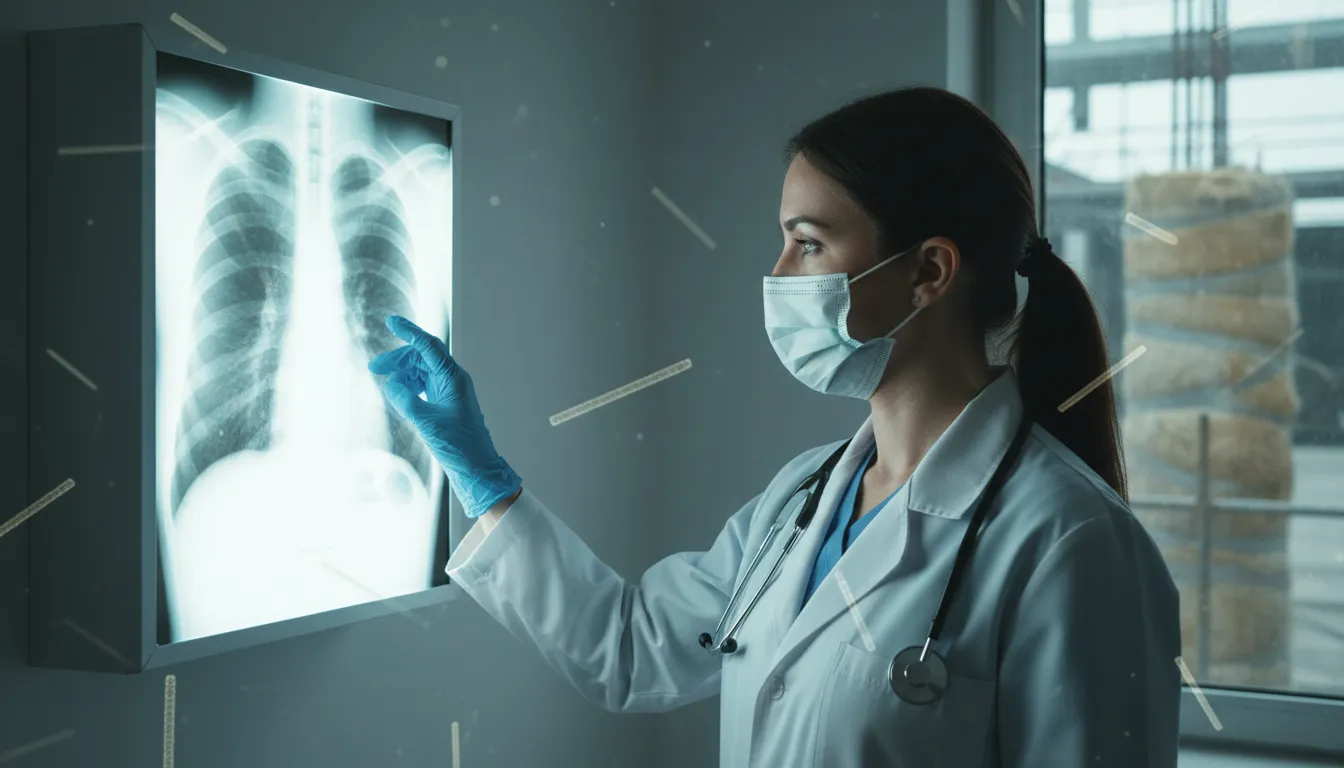
The following interview explains the Health Risks of Asbestos in clear, practical terms: what asbestos exposure means, which illnesses are linked to asbestos, how risk is measured, and what people and employers should do after exposure. If you want a thorough, medically grounded overview of the Health Risks of Asbestos, read on. This conversation focuses on evidence, timelines, and actionable steps for assessment, monitoring, and prevention.
Table of Contents
- About the interviewee
- Core concepts: definitions and why the Health Risks of Asbestos matter
- How asbestos causes injury
- Diseases clearly linked to asbestos exposure
- Exposure, dose-response, and latency
- Occupations and activities with the highest risk
- Interaction with smoking and other risk modifiers
- Diagnosis, monitoring, and tests
- Treatment and prognosis
- What to do after a suspected exposure
- Practical prevention and control measures
- Common misconceptions and pitfalls
- Checklist: Assessing personal risk after possible exposure
- How clinicians evaluate causation for the Health Risks of Asbestos
- Summary and practical takeaways
- Frequently asked questions
- Final note
- Related travel & relocation resources
About the interviewee
Dr. SEO fuNNNky Expert is an occupational medicine physician with 20 years of clinical experience evaluating workplace exposures and environmental lung disease. Her clinical practice includes diagnosis and long-term care for people with asbestos-related conditions and advising organizations on exposure reduction and medical surveillance.
Core concepts: definitions and why the Health Risks of Asbestos matter
What do we mean by “Health Risks of Asbestos”?
When we say “Health Risks of Asbestos” we refer to the set of diseases, symptoms, and long-term outcomes linked to inhalation or ingestion of asbestos fibers. These risks include noncancerous conditions such as pleural plaques and asbestosis, and malignant outcomes such as mesothelioma and lung cancer. The term also covers the interaction of asbestos exposure with other risk factors, the latency before disease appears, and the population-level burden of disease from occupational and environmental exposure.
Why is asbestos still a concern if many countries restrict or ban it?
The Health Risks of Asbestos remain relevant because asbestos-containing materials are still present in buildings, ships, industrial equipment, and consumer products installed decades ago. Renovation, demolition, maintenance, and DIY activities can disturb those materials and release fibers. In addition, past occupational exposures have produced a large population at risk due to the long latency of asbestos-related diseases, meaning new diagnoses continue to appear even where use has been restricted or banned.
How asbestos causes injury
How do asbestos fibers damage the body?
The Health Risks of Asbestos stem from the physical and biological interaction of microscopic fibers with lung tissue. When inhaled, fibers can bypass upper airway defenses and lodge in the small airways and alveoli. Immune cells called macrophages attempt to engulf and remove them. Because certain asbestos fibers are long, thin, and durable, macrophages often cannot fully digest them. This “frustrated phagocytosis” triggers chronic inflammation, release of reactive oxygen species and cytokines, and localized tissue scarring. Over decades, this process can lead to fibrosis (asbestosis) and can contribute to cellular changes that promote cancer, including mesothelioma and lung carcinoma.
Does fiber type or size matter for the Health Risks of Asbestos?
Yes. The Health Risks of Asbestos differ with fiber dimensions and mineral type. Short, thin fibers can penetrate deep into the lung, while long, stiff fibers are more likely to cause persistent mechanical injury. All commercial forms of asbestos are classified as carcinogenic, but research shows differences in how various fiber types behave biologically. In practice, this means exposure assessment should consider fiber concentration, length distribution, and the specific asbestos type when possible.
Diseases clearly linked to asbestos exposure
Which noncancerous conditions are part of the Health Risks of Asbestos?
The principal noncancerous outcomes included among the Health Risks of Asbestos are:
- Pleural plaques: localized fibrous thickening of the pleura (lining of the lung). Often asymptomatic but a marker of prior asbestos exposure.
- Diffuse pleural thickening: more extensive scarring of the pleura that can restrict lung expansion and cause breathlessness.
- Asbestosis: interstitial lung fibrosis caused by accumulation of asbestos fibers; can produce progressive breathlessness and reduced lung function.
These conditions are consequences of chronic fiber deposition and associated inflammation and scarring.
Which cancers are accepted as caused by asbestos in medical literature?
Medical consensus recognizes several cancers as directly associated with the Health Risks of Asbestos. The most specific and strongest associations are:
- Mesothelioma: a cancer of the serosal linings (pleura, peritoneum, pericardium). Mesothelioma has a particularly strong link to asbestos exposure; even lower cumulative exposures have been associated with disease.
- Lung cancer: asbestos exposure increases the risk of bronchogenic lung cancers of various histologic types.
Other cancers have been studied with mixed conclusions. Evidence varies for laryngeal, pharyngeal, esophageal, stomach, and colorectal cancers; some reviews find suggestive links while others conclude evidence is inadequate. These uncertainties exist within the broader context of the Health Risks of Asbestos and ongoing research.
Exposure, dose-response, and latency
Is there a safe level of asbestos exposure?
No authoritative health body endorses a known safe threshold below which there is zero risk. Statements about the Health Risks of Asbestos recognize that risk increases with cumulative exposure (the dose-response relationship), but they also stress that because fibers are biologically active and persist in tissue, there is no scientifically established exposure level guaranteed to be harmless. In practical terms, brief or very low-level environmental exposures carry far lower probabilities of disease than prolonged occupational exposures, but “no safe level” remains the guiding precautionary principle for public health.
What does “dose-response” mean for the Health Risks of Asbestos?
For asbestos, dose-response means the more asbestos fibers inhaled over time (higher cumulative dose), the higher the risk of developing asbestos-related illnesses. Occupations with long, repeated exposure—like insulation installation, shipyard work, certain textile and mining jobs—have produced the highest observed disease rates. Dose-response also helps explain why some diseases (for example, mesothelioma) may occur after lower cumulative exposures than asbestosis or some lung cancers; different disease processes require different exposure profiles.
How long after exposure to asbestos diseases appear?
Latency is a defining feature of the Health Risks of Asbestos. Many asbestos-related conditions have long latency periods, often decades. Typical timelines are:
- Mesothelioma: commonly 20 to 50 years after first exposure.
- Lung cancer: often several decades after exposure; latency overlaps with smoking-related cancer risks.
- Asbestosis and pleural disease: may appear 10–30 years after heavy exposure and can progress even after exposure stops.
Long latency complicates causation assessment and public health response because symptoms appear long after exposure events.
Occupations and activities with the highest risk
Which jobs carry the greatest Health Risks of Asbestos?
High-risk occupations historically include:
- Insulators and laggers
- Shipyard workers (insulation, pipe fitting, repair)
- Construction and demolition workers involved with older buildings
- Power plant workers and boiler operators
- Asbestos mining and milling employees
- Textile workers producing asbestos-containing fabrics
- Automotive mechanics working on older brake linings and clutches
Risk is highest where dust-generating tasks occurred without adequate ventilation or respiratory protection. Household contacts of workers who brought fibers home on clothing were also frequently exposed.
Does short-term exposure from renovation or DIY pose the Health Risks of Asbestos?
Short-term or one-time exposures from renovation or DIY activities generally present substantially lower risk than chronic occupational exposure. However, specific tasks that disturb friable asbestos-containing materials—such as removing sprayed insulation, cutting insulation board, or working on old pipe lagging—can release large amounts of fibers and raise measurable risk. The Health Risks of Asbestos in these contexts depend on the material condition (friable vs. non-friable), the task performed, duration of disturbance, and protective measures used. If you suspect asbestos in a building, treat it with caution and follow established removal or containment procedures.
Interaction with smoking and other risk modifiers
How does smoking affect the Health Risks of Asbestos?
Smoking and asbestos exposure interact synergistically for lung cancer risk. That means the combined effect is greater than the sum of individual risks. Epidemiologic studies have shown approximations of multiplicative interaction: if smoking increases lung cancer risk several-fold and asbestos increases it several-fold, the joint risk can be many times higher. Quitting smoking greatly reduces the compounded lung cancer risk but does not eliminate the incremental risk contributed by past asbestos exposure. Importantly, smoking does not increase the risk of mesothelioma in the same way; mesothelioma risk is driven primarily by asbestos exposure.
Are there other factors that influence the Health Risks of Asbestos?
Yes. Individual susceptibility, co-exposures (e.g., silica, diesel exhaust), underlying lung disease, and genetic factors can modify risk. Age at exposure, duration of exposure, and intensity of exposure are major determinants. Protective workplace controls and early detection programs also affect outcomes at the population level by reducing exposure and enabling earlier intervention.
Diagnosis, monitoring, and tests
How are asbestos-related diseases diagnosed?
Diagnosis is based on a combination of exposure history, clinical assessment, imaging, pulmonary function testing, and sometimes tissue biopsy. Key components used to evaluate the Health Risks of Asbestos include:
- Detailed exposure history: job tasks, dates, materials, cohabitants with occupational exposures, and renovation events.
- Chest imaging: chest X-ray and high-resolution computed tomography (HRCT) to detect pleural changes, interstitial fibrosis, and masses.
- Pulmonary function tests (PFTs): spirometry, lung volumes, and diffusion capacity to quantify functional impairment.
- Tissue biopsy: in uncertain cases or when malignancy is suspected, biopsy of pleura or lung tissue can confirm diagnoses such as mesothelioma or asbestos-related lung cancer.
- Pathology and fiber analysis: in specialized centers, asbestos bodies and fiber content can be assessed in tissue samples.
Combining objective findings with a credible exposure history is central to attributing disease to asbestos.
Is routine screening recommended for people with past asbestos exposure?
Routine population screening for asbestos-related disease is not universally recommended. For individuals with significant exposure, periodic medical surveillance can be appropriate and may include symptom review, targeted imaging, and pulmonary function testing. Decisions about surveillance frequency and tests should be individualized, based on exposure intensity, time since exposure, the presence of symptoms, and comorbid conditions. Shared decision-making with an occupational medicine or pulmonary specialist is advised when arranging long-term follow-up for people with known substantial exposure.
Treatment and prognosis
What treatments exist for diseases among the Health Risks of Asbestos?
Treatment depends on the specific condition:
- Pleural plaques: usually require no treatment; management focuses on monitoring and symptom relief if breathlessness occurs.
- Asbestosis: management is supportive and includes smoking cessation, vaccinations, pulmonary rehabilitation, oxygen therapy for advanced disease, and monitoring for complications such as pulmonary hypertension or respiratory failure.
- Lung cancer: treatment follows oncology guidelines and may include surgery, chemotherapy, radiotherapy, targeted therapies, and palliative care as appropriate.
- Mesothelioma: multimodal therapy may include surgery, chemotherapy, and radiotherapy; clinical trials and palliative measures are central to care because prognosis remains serious in most cases.
Early detection improves management options, but for many asbestos-related cancers outcomes are limited, which reinforces the value of prevention and exposure reduction.
What to do after a suspected exposure
If I disturbed a material that might contain asbestos, what immediate steps should I take?
Immediate actions to reduce the Health Risks of Asbestos after suspected disturbance:
- Stop work and avoid further disturbance of the material.
- Leave the area and prevent others from entering until the material is assessed.
- Avoid sweeping or using compressed air, which increases fiber release.
- If clothing is visibly contaminated, change clothes and place them in a sealed bag; launder separately using methods recommended for asbestos-contaminated garments.
- Contact a qualified asbestos professional to inspect and sample the material before any further work.
- Document the incident: date, location, activity performed, and names of witnesses—this can be important for medical follow-up and exposure records.
These steps lower immediate fiber spread and preserve important information for later health assessment.
When should I see a clinician about the Health Risks of Asbestos?
See a clinician if you have a history of significant asbestos exposure and any of the following:
- New or worsening breathlessness
- Persistent cough or cough producing phlegm, especially if it contains unusual particulate matter
- Chest pain or unexplained weight loss
- A history of high-risk occupational exposure and concern about long-term monitoring
Bring a clear exposure history to the appointment. If possible, include job titles, employers, dates of work, and descriptions of materials and processes that may have generated dust.
Practical prevention and control measures
How can employers and homeowners reduce the Health Risks of Asbestos?
Prevention strategies that reduce the Health Risks of Asbestos include:
- Identification: maintain and reference asbestos inventories for buildings, equipment, and ships.
- Control hierarchy: prioritize elimination or enclosure of asbestos-containing materials over reliance solely on personal protective equipment.
- Engineering controls: use local exhaust ventilation, negative-pressure containment, and HEPA-filtered equipment during work that might disturb asbestos.
- Safe work practices: wet methods to suppress dust, avoid dry cutting or sanding, use glove bags for small repairs, and follow written procedures.
- Training: ensure workers and contractors receive task-specific training and certification were required.
- PPE: use appropriate respirators (rated for asbestos), disposable coveralls, and decontamination procedures.
- Regulation and oversight: comply with applicable occupational and environmental regulations for asbestos handling, removal, transport, and disposal.
For homeowners, the safest option when suspecting asbestos is to hire licensed asbestos professionals rather than attempt DIY removal.
Common misconceptions and pitfalls
Is touching asbestos dangerous?
Physical contact with intact, non-friable asbestos-containing materials usually poses minimal immediate health risk provided the material is not crumbled, sanded, cut, or otherwise made friable. The major Health Risks of Asbestos arise when fibers become airborne and inhaled. Nonetheless, caution is warranted because age, damage, or renovation activities can turn intact materials into dust sources.
Does quitting smoking eliminate asbestos-related lung cancer risk?
Quitting smoking substantially reduces lung cancer risk and improves overall lung health, but it does not erase the incremental cancer risk attributable to past asbestos exposure. For people with combined exposures, smoking cessation is one of the most effective actions to reduce future risk and should always be encouraged when discussing the Health Risks of Asbestos.
Are small exposures from older buildings automatically dangerous?
Not necessarily. Small, incidental exposures—such as being in a building that contains undisturbed asbestos materials—carry lower risk than repeated, high-intensity occupational exposures. Still, because there is no established safe threshold, prudence and appropriate management measures are recommended when materials are disturbed or deteriorating.
Checklist: Assessing personal risk after possible exposure
Use this checklist to structure a follow-up after suspected asbestos exposure. Each positive item increases the probability that the exposure was meaningful for future health assessments.
- Did the event involve direct disturbance of known or suspected asbestos-containing material?
- Was the material friable (easily crumbled or dusty) or likely to produce dust when disturbed?
- Was the exposure repetitive or a one-time incident?
- Were engineering controls (ventilation, containment) and PPE used?
- Was the exposure occupational, household (brought home on clothing), or environmental?
- Do you have a documented history of prolonged work with asbestos-containing products (insulation, shipyards, brake linings, etc.)?
- Do you have respiratory symptoms such as chronic cough or new breathlessness?
- Is there a family history or personal history of related diseases?
How clinicians evaluate causation for the Health Risks of Asbestos
What do doctors look for when linking disease to asbestos exposure?
Clinicians evaluate causation by integrating:
- A credible, well-documented exposure history (type of work, duration, intensity, dates)
- Compatible clinical findings (imaging and functional tests)
- Temporal plausibility (latency period appropriate for the disease)
- Exclusion or consideration of alternative causes (e.g., heavy tobacco exposure for lung cancer)
- Pathologic confirmation where possible (biopsy for malignancy, tissue fiber analysis)
Legal and compensation systems may use similar criteria, but often apply specific evidentiary standards. For clinical care, the priority is diagnosis, treatment planning, and risk communication.
Summary and practical takeaways
The Health Risks of Asbestos encompass a range of noncancerous and cancerous diseases driven by inhalation or ingestion of persistent fibers. Key points to remember:
- There is no known safe exposure level; risk increases with cumulative asbestos dose.
- Primary diseases include asbestosis, pleural disease, mesothelioma, and lung cancer; other cancer associations are under study.
- Latency can be decades, so past exposures remain relevant to present health.
- Smoking greatly multiplies lung cancer risk in people exposed to asbestos; cessation matters.
- Prevention, safe handling, and engaging qualified professionals for abatement are the most effective ways to reduce future Health Risks of Asbestos.
If you suspect meaningful past exposure, gather a detailed exposure history, seek clinical evaluation, consider periodic monitoring if exposure was significant, and implement strong controls to prevent future disturbance of asbestos-containing material.
Frequently asked questions
How soon after exposure to the Health Risks of Asbestos show up?
Latency varies by disease. Many asbestos-related conditions appear decades after first exposure: mesothelioma often 20–50 years later, lung cancer commonly several decades, and asbestosis typically 10–30 years after heavy exposure. Because of long latency, a symptomatic diagnosis decades after exposure can still be linked to earlier asbestos contact.
Can a single exposure cause the Health Risks of Asbestos?
A single brief exposure usually carries much lower risk than repeated occupational exposure. However, exceptionally high-intensity exposures (large releases of fibers) could increase risk. Overall, probability rises with cumulative exposure rather than single brief events, though medical certainty for any individual requires evaluation.
Does asbestos always cause disease if you’re exposed?
No. Not everyone exposed will develop disease. Risk depends on dose, fiber type, individual susceptibility, smoking status, and other factors. Many people with low-level or short-duration exposure never develop symptomatic disease, but because exposure can lead to serious outcomes, prevention, and monitoring are important.
Which test best detects the Health Risks of Asbestos early?
There is no single screening test that reliably detects all asbestos-related disease early. High-resolution CT scans are more sensitive than chest X-rays for detecting pleural and early interstitial changes. Pulmonary function tests can detect functional impairment. For suspected malignancy, tissue biopsy is definitive. Surveillance plans should be individualized based on exposure history.
Does asbestos exposure cause mesothelioma even without lung disease?
Yes. Mesothelioma can occur after lower cumulative exposures than those typically associated with asbestosis; it is possible to develop mesothelioma without radiographic asbestosis. This distinctive aspect of the Health Risks of Asbestos underscores the complexity of disease mechanisms and the need for exposure assessment regardless of imaging findings.
Can household members get the Health Risks of Asbestos from a worker’s clothing?
Yes. Secondary exposure occurred historically when workers brought asbestos fibers home on clothing, shoes, or hair. Family members who handled or washed contaminated clothing experienced exposures sufficient to increase risk. Modern laundry and workplace hygiene policies aim to eliminate this pathway, but past exposures remain relevant.
What is the safest approach during home renovation to avoid the Health Risks of Asbestos?
If you suspect asbestos-containing materials during renovation, do not disturb them. Hire a licensed asbestos professional to test and, if needed, abate or encapsulate the material. If working in areas built before asbestos bans, assume materials may contain asbestos and follow local regulations and recommended safety measures.
Will quitting smoking lower the Health Risks of Asbestos for me?
Quitting smoking significantly lowers the combined risk of lung cancer and other respiratory diseases in people with asbestos exposure. Although it does not remove asbestos fibers already present in the body, smoking cessation is one of the most effective steps an exposed person can take to reduce future harm.
Can children be affected by the Health Risks of Asbestos?
Children can be affected if they inhale asbestos fibers; however, most historical occupational exposures involved adults. Concern exists for children secondary to household contamination or environmental exposures near asbestos sources. Because the Health Risks of Asbestos include long latency, exposures at a young age remain important for lifetime risk assessment.
Who should I contact for a workplace exposure assessment related to the Health Risks of Asbestos?
For workplace concerns, contact your employer’s health and safety officer or occupational health clinic. Regulatory agencies, such as workplace safety authorities or environmental health departments, can provide guidance on sampling, controls, and compliance. Occupational medicine specialists and certified industrial hygienists can perform exposure assessments and advise on medical surveillance.
Final note
The Health Risks of Asbestos are preventable when materials are handled safely and exposures are controlled. For individuals, understanding past exposures, obtaining appropriate medical assessment when warranted, and reducing modifiable risks such as smoking are the most practical steps. For organizations, strict adherence to identification, control, and abatement protocols is essential to protect workers and members of the public from future harm.
Related travel & relocation resources
If you're planning relocation, renovation, or travel after asbestos concerns, these practical resources on housing, costs, and travel may help: Living in Thailand, Bangkok shopping, Best places, Cost of living, Flight prices, and Inflation and tourism.
Note: These are general travel and cost-of-living resources for planning purposes and are not medical or occupational-health guidance. For health concerns related to asbestos exposure, follow the clinical and prevention advice in the main article and consult an occupational medicine specialist.
SEO is LIVE |
|
Check out this really cool SEO websites |
| Do NOT Click me |
Comments
Post a Comment