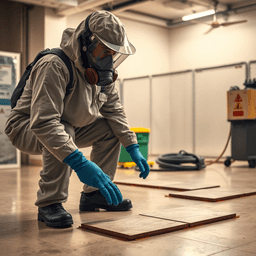
Asbestos was widely used in building materials throughout most of the 20th century. It was valued for its durability, fire resistance, and insulating properties. One common application was asbestos floor tiles, which were frequently used in residential, commercial, and industrial settings. These tiles typically contained asbestos fibers embedded within vinyl, linoleum, or asphalt-based products to improve their strength and lifespan.
When it comes to removing asbestos floor tiles, it is crucial to follow safety and legal standards meticulously. Disturbing these materials can release tiny asbestos fibers into the air, which pose significant health risks when inhaled. This makes careless removal not only dangerous for workers but also for anyone occupying the building.
Health Risks Associated with Asbestos Exposure from Flooring
Some key health hazards linked to asbestos exposure from flooring include:
- Asbestosis: A chronic lung condition caused by inhaling asbestos fibers, leading to scarring and breathing difficulties.
- Lung cancer: Prolonged exposure to asbestos significantly increases the risk of developing lung cancer.
- Mesothelioma: A rare but aggressive cancer that affects the lining of the lungs or abdomen.
- Other cancers, such as those affecting the larynx and ovaries, have also been associated with asbestos exposure.
These risks emphasize the importance of prioritizing safe and legal removal practices. Improper handling can result in contaminated indoor air quality and long-term health consequences. With many older buildings still containing asbestos in their flooring materials or nearby vermiculite insulation, it is essential for any renovation or demolition project to understand how to manage these hazards responsibly.
If you have any health concerns arising from potential asbestos exposure, it is crucial to seek medical advice promptly. You can use online resources like medical symptom checkers or online Dr symptom checker for initial guidance on your symptoms. Additionally, platforms such as Discover Secrets of Online Medical provide valuable insights into effectively navigating online medical resources. If you are experiencing specific symptoms that you believe may be related to asbestos exposure, consider using an online medical symptom checker for a preliminary assessment before consulting a healthcare professional.
Understanding Asbestos Floor Tiles
Asbestos was widely used in various flooring materials throughout much of the 20th century due to its durability and fire-resistant properties. Recognizing asbestos floor tile identification is crucial before any removal or renovation work begins.
Common Types of Asbestos-Containing Floor Materials
- Vinyl asbestos tiles (VAT): These are among the most common asbestos floor products. Typically square, they measure around 9x9 inches or 12x12 inches. Often found in older residential and commercial buildings.
- Sheet flooring: This includes rolled or sheet vinyl flooring with a backing layer that may contain asbestos fibers.
- Linoleum: Although natural linoleum rarely contains asbestos, some older formulations combined linoleum with asbestos for added strength.
- Asphalt tiles: Less common but still used in certain industrial or commercial settings, these tiles incorporate asbestos for heat resistance.
Physical Characteristics of Asbestos Floor Tiles
Identifying asbestos tiles visually involves examining size, thickness, color, and texture:
- Size: Standard square tiles usually range from 9 to 12 inches (ca. 30 cm) on each side.
- Thickness: Most asbestos-containing tiles are about 1/8 inch thick but can vary depending on type.
- Colors: Common colors include black, brown, tan, white, green, and sometimes speckled or marbled patterns.
- Texture: Smooth or slightly rough surfaces; some vinyl tiles have a glossy finish, while sheet flooring may feel more flexible.
Tiles may resemble popcorn ceiling asbestos in their granular surface texture or layered construction but are generally flatter and more uniform.
Identifying Potential Asbestos Floor Tiles
Visual inspection alone cannot guarantee the presence of asbestos. Many modern non-asbestos tiles mimic the appearance of older materials. Testing is essential for accurate identification.
Steps for Proper Identification:
- Asbestos Survey
- Conducted by an accredited professional who inspects suspect materials in the building. The survey documents locations and conditions of potential asbestos-containing materials (ACMs).
- Sampling and Laboratory Testing
- A small sample of the tile is carefully collected to avoid fiber release and sent to an asbestos testing lab accredited by recognized bodies like NVLAP or AIHA.
- Laboratories use techniques such as polarized light microscopy (PLM) to detect asbestos fibers.
- Professional Assessment
- Only certified inspectors should perform sampling due to health risks associated with disturbing ACMs. Homeowners should avoid DIY testing because improper handling can release dangerous fibers into the air.
Importance of Accurate Identification
Misidentification can lead to exposure risks similar to those posed by other asbestos sources, such as popcorn ceilings or insulation materials. Once airborne, fibers can lodge deep in the lungs, causing serious diseases including asbestosis and mesothelioma. Confirming whether your floor contains asbestos helps determine safe treatment methods—whether removal or encapsulation—and ensures compliance with legal regulations governing hazardous material management.
It's also important to monitor your health during this process. Regular checkups can help identify any potential health issues early on. For instance, using an online heart beat checker could be beneficial in keeping track of your health status while dealing with hazardous materials such as asbestos. Understanding these elements prepares you for informed decisions regarding your building’s safety measures and professional interventions required during renovations involving potential asbestos-containing floors.
Health Risks and Legal Regulations of Asbestos Floor Tile Removal
Disturbing asbestos-containing floor tiles can release microscopic asbestos fibers into the air. These fibers are invisible and lightweight, allowing them to remain airborne for extended periods and be easily inhaled. Once inhaled, asbestos fibers pose serious health hazards.
Health Risks Linked to Airborne Asbestos Fibers
Prolonged exposure to airborne asbestos fibers increases the risk of developing lung cancer. The fibers cause damage to lung tissue over time, leading to malignant tumors. This rare but aggressive cancer affects the lining of the lungs, chest, abdomen, or heart. It is almost exclusively linked to asbestos exposure, including from asbestos floor tiles.
A chronic lung disease caused by inhaling high levels of asbestos fibers. It leads to scarring of lung tissue, resulting in breathing difficulties and decreased oxygen exchange. Exposure is also associated with increased risks of laryngeal and ovarian cancers. These links highlight the systemic impact asbestos fibers can have beyond just respiratory illnesses. The risk intensifies when floor tiles are broken, sanded, or removed improperly without following strict safety protocols.
Regulatory Landscape Governing Asbestos Floor Tile Removal
In response to these health dangers, regulatory agencies have created comprehensive frameworks for managing asbestos materials:
1. EPA Bans and Restrictions:
- The Environmental Protection Agency (EPA) issued a ban on most asbestos-containing flooring products in 1989.
- Although parts of this ban were later overturned due to legal challenges, significant restrictions remain in place regulating manufacture and use.
2. Federal Laws:
- The Clean Air Act includes provisions controlling asbestos emissions during renovation and demolition activities.
- The Toxic Substances Control Act (TSCA) regulates certain uses of asbestos-containing materials.
3. Occupational Safety Standards:
- OSHA enforces strict exposure limits for workers handling asbestos insulation, roofing, tiles, and other materials.
- Employers must provide training, appropriate personal protective equipment (PPE), and medical monitoring for employees involved in asbestos remediation.
4. State and Local Regulations:
- Many states have additional licensing requirements for asbestos removalists specializing in tile abatement.
- Local laws may impose notification requirements before starting removal work and mandate specific disposal procedures.
Non-compliance with these regulations can result in hefty fines and increased liability risks due to the serious public health implications.
Importance of Adhering to Legal Requirements
Handling asbestos floor tiles without proper precautions exposes not only workers but also building occupants to dangerous fibers. Certified professionals trained in asbestos remediation understand how to minimize airborne contamination using containment zones, wet removal techniques, and HEPA filtration systems.
Proper adherence reduces:
- The likelihood of asbestos health risks such as lung cancer from asbestos or mesothelioma
- Environmental contamination through improper disposal
- Legal repercussions stemming from violations of federal EPA bans or OSHA standards
Understanding both the medical consequences and legal framework helps you appreciate why hiring qualified experts is essential for safe and compliant asbestos tile removal projects. For those seeking more information about navigating your health in light of potential exposure risks, it's crucial to
Safe Practices for Asbestos Floor Tile Removal
Handling asbestos floor tiles requires strict adherence to safe asbestos removal methods to prevent hazardous fiber release. The goal is to minimize airborne asbestos exposure throughout the removal process. Key practices include:
Wet Methods for Dust Suppression
- Applying water or specialized wetting agents directly to floor tiles before and during removal reduces dust generation.
- Moisture keeps asbestos fibers from becoming airborne, significantly lowering inhalation risks.
- Continuous misting or damp wiping of surfaces ensures fibers stay contained.
- Avoid using high-pressure water sprays that can spread contamination.
Establishing Containment Zones and Using HEPA Filtration
- Setting up physical barriers with plastic sheeting creates containment zones around the work area.
- Negative air pressure machines equipped with HEPA-filtered vacuums capture microscopic asbestos particles from the air.
- HEPA vacuuming is essential during tile removal and for thorough cleanup afterward.
- Maintaining sealed doorways and ventilation prevents fibers from escaping to other parts of the building.
Personal Protective Equipment (PPE) for Workers
- Proper PPE is non-negotiable when dealing with asbestos floor tiles.
- Respirators fitted with P100 or N100 filters protect against inhaling fine asbestos fibers.
- Disposable coveralls, gloves, shoe covers, and eye protection shield skin and clothing from contamination.
- Workers must follow strict protocols for donning and doffing PPE to avoid cross-contamination.
- Regular training on PPE use enhances safety compliance on site.
Adopting these methods drastically reduces health hazards during removal. Neglecting any step increases the risk of releasing dangerous asbestos fibers into indoor air, jeopardizing workers and occupants alike. Safe handling demands a combination of engineering controls, administrative measures, and personal protection tailored specifically for asbestos abatement projects.
The Role of Certified Professionals in Asbestos Floor Tile Removal
Handling asbestos floor tile removal is not a DIY project. You need a certified asbestos removal contractor to manage the job safely and legally. These specialists bring expertise that goes beyond basic construction or general demolition skills. Licensed abatement companies have undergone rigorous training and certification processes to understand the unique hazards asbestos poses, ensuring they follow strict protocols designed to protect both workers and occupants.
Why Hire Certified Professionals?
- Expertise in Asbestos Abatement: Certified contractors possess comprehensive knowledge about asbestos materials, proper handling techniques, and industry best practices. They know how to identify asbestos-containing materials accurately and understand the risks involved when disturbing these materials.
- Compliance with Legal Requirements: Asbestos abatement is governed by federal, state, and local regulations. Licensed professionals ensure compliance with OSHA standards, EPA rules, and other relevant laws. This reduces your liability risk and helps avoid costly fines or penalties associated with improper handling or disposal.
- Safety Protocols Enforcement: Certified asbestos removal companies implement strict safety measures such as containment zones, use of specialized equipment, and air quality monitoring. Their goal is to minimize fiber release into the environment during removal activities.
Services Provided by Professional Asbestos Remediation Companies
Professional asbestos abatement firms offer a full range of services tailored to your specific situation:
- Inspection and Testing: Before any removal work begins, certified inspectors conduct thorough assessments. They collect samples from suspected floor tiles and send them to accredited laboratories for analysis. This step confirms the presence of asbestos and determines the extent of contamination.
- Removal Process: Using wet methods to suppress dust, containment barriers, negative air machines with HEPA filtration, and meticulous handling procedures, licensed contractors remove hazardous tiles safely without spreading fibers.
- Air Monitoring: Continuous air sampling during and after removal ensures airborne fiber levels remain below safety thresholds. This monitoring protects workers on site as well as occupants returning after abatement.
- Disposal: Proper disposal involves packaging asbestos-containing waste according to regulatory standards and transporting it only to licensed hazardous waste facilities. Professional asbestos removal companies coordinate this process seamlessly.
Choosing an experienced asbestos removal company means relying on their ability to manage every aspect—from initial inspection through final clearance—while prioritizing health and legal compliance. Their involvement is essential for safe floor tile abatement in residential, commercial, or industrial settings alike.
Inspection, Testing, Cost Considerations in Asbestos Floor Tile Removal
Before starting any asbestos floor tile removal project, it's crucial to have a thorough asbestos inspection. This inspection is done by qualified professionals who are trained in the asbestos survey process. Their job is to identify materials that may contain asbestos, assess how much contamination there is, and decide on the best methods for removing or containing it.
The Asbestos Survey Process and Laboratory Analysis
Here's how the asbestos survey process works:
- Professionals collect samples from flooring materials suspected to contain asbestos.
- These samples are sent to an asbestos testing lab equipped to perform detailed microscopic analysis.
- Certified laboratories confirm the presence or absence of asbestos fibers with precision.
- Laboratory results guide decisions on whether full removal, encapsulation, or other remediation steps are necessary.
Testing ensures compliance with regulations and helps avoid unnecessary disturbance of non-asbestos materials. It also provides documented proof required by regulatory bodies during inspections or property transactions.
Factors Influencing Asbestos Removal Cost
Several factors can affect the cost of removing asbestos from floor tiles:
- Area Size: Larger spaces require more labor, time, and disposal resources.
- Contamination Level: Extensive asbestos content or friable (easily crumbled) tiles demand more rigorous procedures.
- Complexity: Flooring underneath furniture, machinery, or in multi-layer installations increases difficulty.
- Location: Accessibility issues or working within occupied buildings add logistical challenges.
- Disposal Requirements: Transporting asbestos waste to licensed facilities can vary in price based on distance and volume.
Typical asbestos remediation costs for floor tile removal range widely but often fall between $5 to $20 per square foot. For small residential jobs, prices might start near $500-$1,500. Commercial projects involving hundreds or thousands of square feet could escalate into tens of thousands of dollars depending on complexity.
Risks of Avoiding Professional Inspections and Removal
Trying to remove asbestos yourself or hiring unlicensed contractors to save money can lead to serious dangers:
"Disturbing asbestos floor tiles without proper controls releases hazardous fibers that cause severe health problems."
If you handle asbestos improperly, you could face legal penalties such as fines and lawsuits. Careless removal can also expose you to health risks like lung diseases caused by airborne asbestos fibers. Additionally, when professional documentation is missing, it may be harder to make insurance claims or sell the property.
Investing in a thorough asbestos inspection and relying on certified labs means you get accurate data upfront. It prevents unexpected costs later caused by improper handling or regulatory violations. Knowing the exact scope through professional assessment allows you to budget realistically for your project’s actual needs rather than guesswork.
This knowledge prepares you to understand safe removal practices and why certified expertise is essential when dealing with hazardous materials hidden in old flooring systems.
Conclusion
Managing asbestos floor tiles requires a strategic approach balancing safety, legality, and practicality. One effective method is the encapsulation of asbestos flooring—a less invasive alternative suited for intact and undamaged tiles. Encapsulation involves sealing or covering existing tiles to prevent the release of hazardous fibers. Common methods include:
- Applying specialized sealants that form a protective barrier over the tiles
- Installing new flooring layers such as vinyl or carpet over the sealed surface
- Using adhesive-backed mats or membranes designed for asbestos containment
Encapsulation is recommended when tiles are stable, undisturbed, and not deteriorating. It avoids the risks and costs associated with full tile removal. However, if tiles are crumbling, damaged, or subject to frequent disturbance, complete removal by a licensed asbestos abatement contractor becomes necessary.
Disposing of asbestos waste safely follows strict, regulated waste handling procedures designed to protect public health and the environment. Key legal requirements include:
- Transporting asbestos-containing materials only in sealed, labeled containers
- Using licensed disposal facilities equipped to handle hazardous waste
- Maintaining detailed documentation of waste generation, transport, and disposal
- Adhering to federal EPA guidelines and local environmental regulations
Improper disposal risks severe consequences such as environmental contamination fines and potential lawsuits. Property owners must ensure inspections for asbestos are conducted before any renovation or demolition involving suspect materials. Failure to comply with these regulations can lead to substantial penalties.
Working with licensed asbestos removal contractors ensures compliance with safety protocols and legal mandates. Best practices include:
- Hiring certified professionals with experience in asbestos remediation
- Keeping thorough records of all inspections, abatement work, and disposal certificates
- Coordinating closely with regulatory agencies when required
In commercial settings like hotels, legacy asbestos floor tile removal poses particular challenges. Large-scale projects demand professional intervention under regulatory oversight—illustrated by cases where departments such as the DOT have taken control to enforce safe practices. These interventions highlight important lessons:
- Managing removals safely minimizes business disruption
- Maintaining air quality monitoring protects workers and guests
- Clear communication with stakeholders supports smooth project execution
Thorough inspection followed by professional abatement using regulated procedures forms the foundation for managing asbestos risks effectively. Compliance with laws protecting workers’ health and public safety must remain paramount.
Consider encapsulation when appropriate, but always prioritize safety first in all decisions regarding legacy flooring containing asbestos. Engaging qualified asbestos remediation contractors provides peace of mind that your property meets health standards without unnecessary exposure or legal complications.
Additionally, it is crucial to monitor any symptoms related to potential exposure during the handling of these materials. Utilizing a reliable online symptom checker can be an effective tool in this regard.
FAQs (Frequently Asked Questions)
What are asbestos floor tiles, and how can I identify them?
Asbestos floor tiles are flooring materials commonly used during the 20th century that contain asbestos fibers. Common types include vinyl tiles, sheet flooring, linoleum, and asphalt tiles. They vary in size, thickness, color, and texture. Identification can be attempted visually but requires professional asbestos testing and surveys by certified laboratories to confirm asbestos presence.
What health risks are associated with disturbing asbestos floor tiles?
Disturbing asbestos floor tiles releases hazardous fibers into the air which can lead to serious diseases such as lung cancer, mesothelioma, asbestosis, laryngeal cancer, and ovarian cancer. Exposure to airborne asbestos fibers poses significant health risks, making safe handling and removal critical.
What legal regulations govern the removal of asbestos-containing floor tiles?
The EPA has imposed bans and restrictions on asbestos-containing flooring products since 1989, alongside federal and local laws regulating asbestos handling. OSHA standards govern occupational exposure to asbestos. Licensed professionals must comply with these regulations during inspection, removal, and disposal to ensure safety and legality.
What are the safe practices for removing asbestos floor tiles?
Safe removal involves using wet methods to suppress dust and prevent fiber release, establishing containment zones, employing HEPA-filtered vacuums during and after removal, and wearing personal protective equipment (PPE) such as respirators and protective clothing. These measures minimize airborne fiber exposure during tile removal.
Why should I hire certified professionals for asbestos floor tile removal?
Certified asbestos removal contractors have specialized training to ensure compliance with safety protocols and legal requirements. They offer comprehensive services including inspection, removal, air monitoring, and proper disposal of asbestos materials. Hiring licensed abatement companies reduces health risks and legal liabilities associated with improper handling.
What factors influence the cost of asbestos floor tile removal?
Costs depend on factors such as the size of the area affected, level of contamination, complexity of the job, and whether encapsulation or full removal is required. While prices vary, cutting costs by avoiding professional services can lead to higher health risks and potential legal penalties due to non-compliance with regulations.
Comments
Post a Comment