AC Alert 2026: Aspergillus Mold & Lung Infection. I found mold in the middle of the hotel room, on ceiling
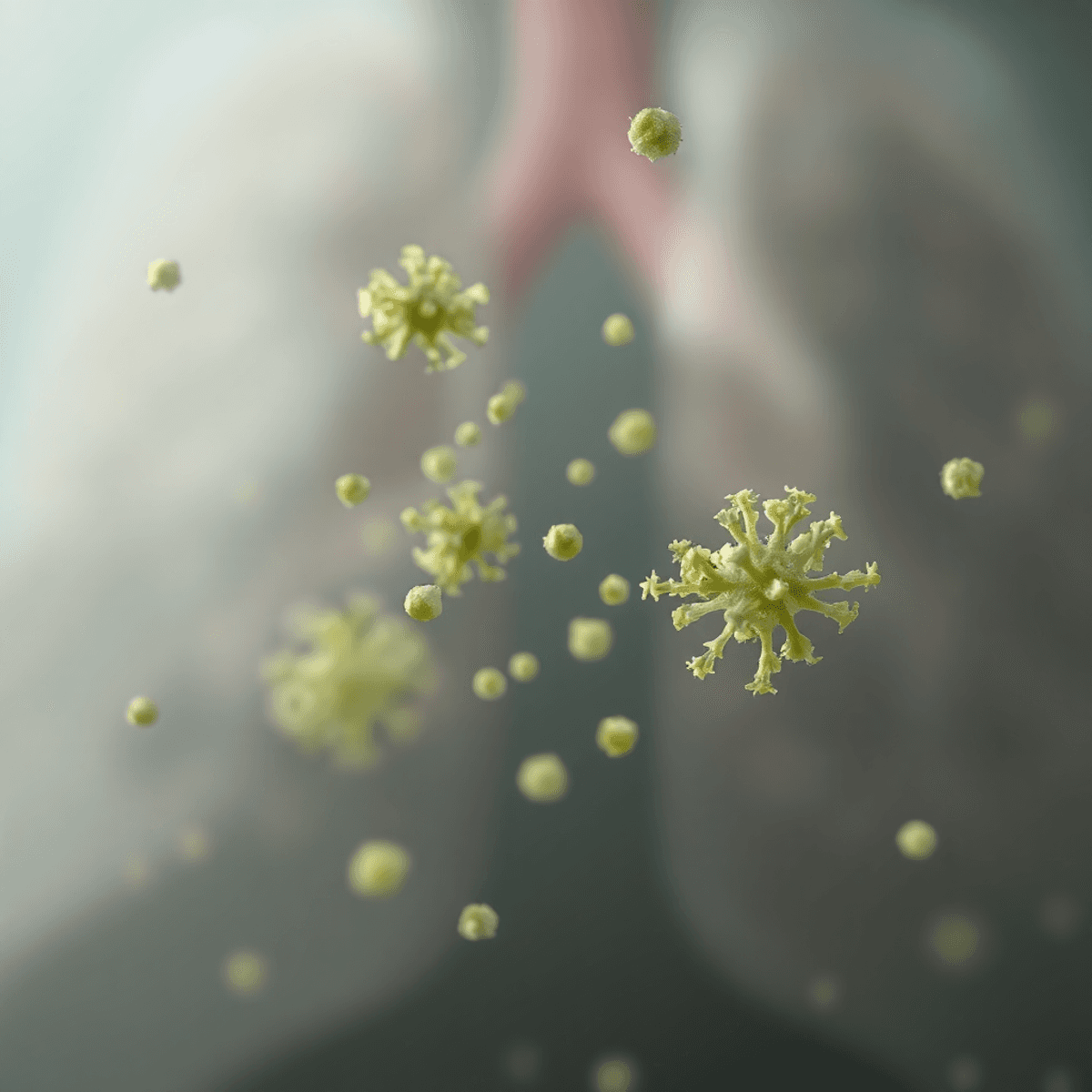
The AC Alert 2026 campaign highlights growing concerns about Aspergillus mold exposure and the resulting lung infections. This alert brings crucial attention to aspergillosis, a condition caused by inhaling spores of Aspergillus, a common environmental fungus. Understanding the risks associated with this mold is essential for protecting respiratory health.
Aspergillus species, particularly Aspergillus fumigatus, are widespread in soil, decaying organic matter, and indoor environments. While harmless to most people, exposure can lead to serious health issues in vulnerable individuals. Lung infections caused by these fungi vary from mild allergic reactions to severe invasive diseases that threaten life.
Early detection and prevention remain key strategies in managing aspergillosis. Vulnerable groups such as immunocompromised patients, those with chronic lung conditions, and even pets like cats affected by aspergillosis require heightened awareness and proactive care. The AC Alert 2026 initiative emphasizes:
- Educating on aspergillosis pathology outlines to identify symptoms early.
- Raising awareness about less common manifestations like aspergillosis ear infections.
- Informing the public on how aspergillus fumigatus causes which disease forms in humans and animals.
This campaign marks a pivotal step toward reducing the impact of Aspergillus-related lung infections through informed vigilance and timely intervention.
.jpg "AC alert - time to change filter")
In addition to health concerns, it's also vital to consider environmental factors that may contribute to mold exposure. For instance, ensuring proper home security can help mitigate such risks. Implementing advanced security measures such as AI CCTV cameras can enhance monitoring of indoor environments where mold may thrive. These smart surveillance systems not only provide safety but also help in maintaining a healthy living space by alerting homeowners about potential hazards.
Moreover, understanding how to effectively use portable CCTV cameras can be beneficial in monitoring hard-to-reach areas prone to moisture accumulation, thus reducing mold growth. For more comprehensive insights into home security and the effective use of CCTV cameras, resources like Mastering CCTV Security Cameras: An Expert Guide and Mastering Home Security: The Ultimate Guide offer valuable information.
Understanding Aspergillus Mold
Aspergillus mold is a type of fungus that is commonly found in the environment all over the world. It grows in places like soil, decaying plants, dust, and indoor areas, making it almost impossible to avoid coming into contact with it. These molds release tiny spores called conidia into the air, which humans and animals breathe in regularly without any harm as long as their immune systems are functioning normally.
The Role of Aspergillus fumigatus in Human Infections
Among the many species of Aspergillus, Aspergillus fumigatus is the one responsible for most infections in humans. Its spores are small enough to bypass the natural defenses of the upper respiratory tract and reach deep into the lungs. This species has adapted to survive in various environments including compost piles, damp buildings, and even hospital air systems.
How Aspergillus Disease Spreads
The primary way that aspergillus disease spreads in humans is through inhaling airborne spores:
- Inhaled conidia enter the respiratory system during normal breathing.
- Spores settle in lung alveoli where they can germinate.
- In individuals who are susceptible, this can lead to colonization or tissue invasion resulting in symptoms of aspergillosis.
Understanding aspergillus pneumonia
It's important to understand that while many people breathe in these spores every day without any problems, those with weakened immune systems or pre-existing lung conditions may develop an infection called aspergillus pneumonia. Aspergillosis is not contagious from one person to another; it spreads solely through exposure to the environment rather than direct contact.
Impact on Animals
Animals can also be affected by aspergillosis after inhaling spores, especially birds and pets with compromised immune systems. Veterinary cases show similar lung involvement and sometimes nasal or sinus infections.
Post-COVID Concerns
Issues related to aspergillosis after COVID have gained attention due to immune dysregulation caused by severe viral illness. Post-COVID patients with compromised lung function or those undergoing immunosuppressive therapy are showing higher rates of invasive aspergillosis.
Key Points about Aspergillus Mold Prevalence and Transmission
Here are some important things to know about Aspergillus mold:
- It is an environmental fungus that is found everywhere and releases millions of spores every day.
- Aspergillus fumigatus is the main species responsible for lung infections in humans.
- Infection occurs when airborne conidia are inhaled.
- Aspergillosis is not contagious between people or animals.
- There is an increased risk of infection following respiratory illnesses like COVID-19.
This understanding lays the groundwork for exploring specific types of aspergillus infections and their impact on respiratory health.
Ensuring a Safe Home Environment
Given these health concerns, it's crucial to create a safe home environment. Here are some measures you can take:
- Implement effective CCTV security measures to monitor indoor areas where mold exposure might happen.
- Use a night CCTV camera to keep an eye on damp places prone to mold growth even when there's low light.
- Choose the best CCTV camera for home with mobile access so you can remotely check your living spaces for any signs of mold infestation.
By understanding both the health risks associated with Aspergillus mold and how to effectively monitor our homes, we can take proactive steps towards maintaining better respiratory health.
Types of Aspergillus Infections and Diseases
Aspergillosis includes a range of diseases caused by exposure to the aspergillus fungus. Knowing the different types of aspergillosis can help us understand how this mold affects respiratory health and other parts of the body.
Major Forms of Aspergillosis
1. Allergic Bronchopulmonary Aspergillosis (ABPA)
This form results from an allergic reaction to Aspergillus spores colonizing the airways. It primarily affects individuals with asthma or cystic fibrosis. Symptoms include wheezing, coughing, fever, and worsening lung function. ABPA is characterized by inflammation rather than tissue invasion, requiring specific aspergillosis treatment focused on controlling the immune response alongside antifungal agents.
2. Invasive Pulmonary Aspergillosis (IPA)
The most severe aspergillus infection, IPA occurs when fungal spores invade lung tissue. It predominantly affects immunocompromised patients, such as those undergoing chemotherapy, organ transplant recipients, or people with weakened immune systems due to illness like aspergillosis and COVID. Symptoms include persistent cough, chest pain, fever, and difficulty breathing. IPA demands aggressive antifungal therapy and prompt diagnosis to improve survival chances.
3. Aspergilloma
Also called a fungal ball, aspergilloma develops when Aspergillus colonizes pre-existing lung cavities caused by tuberculosis, sarcoidosis, or emphysema. Unlike invasive disease, aspergillomas do not usually invade lung tissue but can cause chronic cough and hemoptysis (coughing up blood). Surgical removal may be necessary if symptoms become severe.
Allergic Reactions vs. Invasive Disease
The distinction between allergic bronchopulmonary aspergillosis and invasive pulmonary aspergillosis is critical:
- ABPA is an immune-mediated hypersensitivity reaction where the fungus remains in the airway without penetrating tissues.
- IPA involves active fungal growth within lung tissue causing destruction and systemic spread.
Treatment strategies differ substantially based on this distinction; ABPA often requires corticosteroids combined with antifungals whereas invasive disease relies heavily on potent antifungal drugs like voriconazole.
Less Common Aspergulus Infections
Though lungs are the primary site for aspergillus infections, this fungus can affect other areas:
- Skin infections arise mainly through direct inoculation in immunocompromised patients, presenting as ulcers or nodules.
- Ear infections, including otomycosis caused by Aspergillus, produce itching, pain, and discharge.
- Sinus infections mimic chronic sinusitis symptoms but require specific antifungal management.
- Eye symptoms may include keratitis or endophthalmitis following trauma or surgery.
- Brain infections occur when invasive aspergillosis spreads hematogenously or through contiguous sites causing abscesses or meningitis; these cases carry high mortality risk.
Recognizing these diverse manifestations supports early diagnosis and tailored aspergillosis treatment, which remains crucial given varying resistance patterns among aspergillus fungus strains.
This understanding of aspergillosis types lays the groundwork for identifying risk factors and symptoms that follow next in assessing patient vulnerability.
Causes, Risk Factors, and Symptoms of Aspergillosis
How Aspergillosis Develops: From Inhalation to Infection
The main cause of aspergillosis is breathing in tiny fungal spores called conidia. These spores are in the air all around us, like in soil, rotting plants, and dust. When you breathe them in, they can get into your lungs and start growing there. Most healthy people have a body that gets rid of these spores easily. But if your body is weak or if something changes in your lungs, the spores can start to grow and spread. This can lead to an infection.
At first, the growth starts with no signs, but it can get worse fast. How fast this happens depends on each person. The fungal threads, called hyphae, may go into lung tissue or make lumps that people call aspergillomas or fungal balls. If someone has had lung damage from other diseases or their body is weak, it is easier for the disease to spread in the body.
High-Risk Groups for Aspergillosis Infection
Certain groups of people are more likely to develop aspergillosis because their immune responses are weakened or their lungs are damaged:
Immunocompromised Patients
- Individuals undergoing chemotherapy for cancer
- Organ transplant recipients on immunosuppressive therapy
- Patients with advanced HIV/AIDS
- Those receiving corticosteroids or other immunosuppressive drugs
People with Chronic Lung Diseases
- Chronic obstructive pulmonary disease (COPD)
- Cystic fibrosis
- Tuberculosis scars or cavities in lungs
- Bronchiectasis
Post-COVID-19 Patients
Severe COVID-19 infection can cause lasting damage to the lungs and weaken the immune system. This creates an environment that is favorable for secondary infections like invasive pulmonary aspergillosis. The connection between aspergillosis and COVID-19 has gained attention through reports of increased cases during the pandemic.
Others at Risk
Individuals exposed to places with high spore counts such as construction sites or agricultural settings may also have higher risks.
Recognizing Aspergillosis Symptoms in Humans
Symptoms can vary depending on the type of aspergillosis you have—ranging from allergic reactions to invasive infections:
Common Symptoms Across Forms
- Persistent cough (sometimes producing sputum or blood)
- Fever that does not go away with antibiotics
- Chest pain or discomfort
- Shortness of breath and difficulty breathing
These symptoms often resemble other respiratory infections but tend to last longer and worsen without antifungal treatment.
Allergic Aspergillosis Symptoms (ABPA)
When your immune system overreacts to Aspergillus spores instead of directly invading them, you may experience allergic symptoms such as:
- Wheezing and asthma-like attacks
- Recurrent episodes of bronchitis or pneumonia
- Mucus plugs in airways causing obstruction
- Elevated total IgE levels detected by blood tests
Specific Manifestations Related to Skin and Other Sites
Although less common than lung involvement, aspergillosis can also occur on the skin (aspergillosis skin), particularly in immunocompromised patients. Skin involvement may present as:
- Nodules or ulcers that do not heal properly
- Redness, swelling, and tenderness at affected areas
Other rare manifestations include ear infections, sinusitis with fungal invasion, eye symptoms such as keratitis (inflammation of the cornea), and even brain abscesses when the infection spreads.
Diagnosis and Treatment Options for Aspergillosis
Accurate aspergillosis diagnosis relies on a combination of clinical evaluation, imaging technologies, and laboratory tests to confirm infection and identify the specific disease form.
Diagnostic Methods
- Clinical Evaluation: Initial assessment focuses on patient history, symptom profile, and risk factors such as immunosuppression or recent COVID-19 infection.
- Imaging (CT Scans): High-resolution computed tomography (CT) scans are essential to detect characteristic lung abnormalities. Features like nodules, cavitations, or the "halo sign" often indicate invasive pulmonary aspergillosis or aspergilloma.
- Microbiological Testing:
- Sputum Cultures: Isolation of Aspergillus species from respiratory secretions supports diagnosis but can be limited by contamination or colonization.
- Fungal Antigen Tests: Detection of galactomannan antigen in blood or bronchoalveolar lavage fluid provides sensitive evidence of active infection.
- Pathology Outlines: Histopathological examination of lung tissue can distinguish invasive disease from allergic or colonizing forms through visualization of hyphal invasion.
Standard Treatment Options
- Antifungal Medications: Voriconazole remains the frontline therapy for most forms of aspergillosis due to its efficacy and favorable safety profile. It is particularly effective in invasive pulmonary aspergillosis and aspergilloma management.
- Treatment Duration: Therapy typically extends for several weeks to months depending on disease severity and patient response.
- Adjunct Measures: Surgical resection may be indicated for localized aspergilloma causing significant symptoms or hemoptysis.
Emerging Therapies
Olorofim: A novel antifungal agent showing promise against resistant Aspergillus strains unresponsive to standard azoles like voriconazole. Olorofim acts by inhibiting fungal pyrimidine biosynthesis, offering a new mechanism to combat difficult infections.
Considerations in Aspergillosis Post-COVID
Increased incidence of aspergillosis post COVID has highlighted challenges in diagnosis due to overlapping symptoms with viral pneumonia. Enhanced vigilance using combined diagnostic tools is critical. Early initiation of antifungal treatment improves outcomes in this vulnerable group.
Diagnostic precision paired with tailored antifungal strategies represents the cornerstone for managing aspergillosis effectively across its diverse clinical presentations.
Impact of COVID-19 on Aspergillus Infections and Prevention Strategies & The Role of AC Alert 2026 Campaign
The COVID-19 pandemic has reshaped the landscape of respiratory infections, notably by increasing susceptibility to secondary fungal infections like aspergillosis after COVID. Patients recovering from severe COVID-19 often face compromised immune defenses, which creates a window for invasive pathogens such as Aspergillus fumigatus to establish infections in the lungs and other tissues.
Rise of Aspergillosis After COVID-19
- Immune system compromise during and after COVID-19 infection enables Aspergillus spores to evade clearance, leading to aspergillosis invasive forms.
- Post-COVID fungal infection cases have documented higher incidences of aspergillosis lung infection, complicating recovery due to overlapping symptoms like cough, fever, and breathing difficulties.
- Beyond the lungs, aspergillosis can affect other sites including sinuses (aspergillosis in sinuses) and ears (aspergillosis ear infection), especially in patients with prolonged hospital stays or ventilator use.
The increased attention on such post-infectious complications drives the need for vigilant monitoring and early diagnosis in COVID survivors. The AC Alert 2026 campaign highlights this urgency by focusing on early detection Aspergillus risks among vulnerable groups.
Prevention Strategies Emphasized by AC Alert 2026
Preventing aspergillosis following COVID-19 relies heavily on limiting exposure and enhancing environmental controls:
- Improving indoor air quality is critical where immunocompromised or at-risk individuals reside or receive care. Use of HEPA filters, proper ventilation, and humidity control reduces airborne spore concentrations.
- Minimizing contact with common Aspergillus reservoirs such as soil, decaying vegetation, and construction dust lowers infection chances.
- Regular screening for fungal colonization in post-COVID patients with persistent respiratory symptoms supports timely intervention.
AC Alert prevention strategies encourage healthcare providers and caretakers to implement these measures proactively. Public health messaging during 2026 aims to raise awareness about the risk factors linked not only to invasive pulmonary aspergillosis but also rarer manifestations seen in clinical practice.
Broader Implications Beyond Human Health
Aspergillosis is not limited to humans; certain bird species, particularly birds of prey, are susceptible to Aspergillus infections affecting their respiratory systems. The campaign also draws attention to environmental monitoring that benefits both human health and wildlife conservation efforts by controlling fungal proliferation in shared habitats.
This growing understanding of aspergillosis covid19 interactions underscores the importance of integrated approaches combining clinical vigilance with environmental management. The AC Alert 2026 initiative positions itself as a crucial platform advocating for comprehensive strategies tackling this multifaceted health issue.
Conclusion
The AC Alert gives important updates on how people get aspergillosis. You can get this when you breathe in spores of Aspergillus fumigatus. Many types of diseases can happen. Some people only have allergies, but some have serious infections. Problems in the lungs can be caused by aspergilloma. It can also happen in the face near your nose. It is rare, but it sometimes goes to the brain. This is a big problem if it happens. There can also be problems with the eyes, and doctors need to watch for different aspergillosis eye symptoms in people.
The main changes that shape the future outlook aspergillosis management are about:
Better ways to find illness early: New lab methods like PCR and antigen tests help doctors find Aspergillus faster and with more certainty. This means they can start treatment earlier, before a lot of tissue gets hurt and the problems get worse for good.
Better body scanning tools: A high-resolution CT scan lets doctors see things in the lungs much better. This helps them spot fungal growth like aspergillomas or other illness patterns. It is important when doctors need a plan made just for you.
New antifungal medicines: As well as trusted drugs like voriconazole, there are new medicines like olorofim that may help slow down sickness that is hard to treat. They could help reduce the risk of death for many people.
Working on new ways to stop illness: The AC Alert campaign is still helping people know more. It is important to manage the area to keep spores low. This is most important for people who have weak bodies or who are getting over a breathing problem.
It is important to know how this illness can appear in different ways. A person can have this in the lungs, or it can show up in the nose area or even affect the brain. Because of this, doctors and nurses should watch closely for any signs. Finding the illness early and using the newest care can help people feel better and get back to normal fast.
The AC Alert initiative underscores a commitment to education, research, and public health measures aimed at mitigating risks posed by this ubiquitous fungus. As knowledge grows around aspergillus fumigatus and aspergillosis, so too does the potential for innovative interventions that can transform prognosis for affected individuals worldwide.
FAQs (Frequently Asked Questions)
What is AC Alert 2026 and why is it significant for Aspergillus mold exposure?
AC Alert 2026 is a plan that wants to let people know about Aspergillus mold and how it can lead to lung infections. The plan shows how finding the mold early and taking action can help. This is important for everyone's health, and even more for people who are at risk. The goal is to bring down the number of breathing problems caused by this mold, which is out there in the environment.
What is Aspergillus mold and how does it affect human respiratory health?
Aspergillus mold, mostly Aspergillus fumigatus, is everywhere around us. When you breathe in the spores, you can feel sick. It may cause breathing problems. Sometimes, you may only feel like you have allergies. Other times, it can turn into a bad lung illness called aspergillosis.
What are the different types of aspergillosis infections and their symptoms?
Aspergillosis can show up in different ways. A person may have allergic bronchial aspergillosis (ABPA), invasive lung aspergillosis, or something called aspergilloma. Some people get allergic reactions like wheezing and coughing. Others may feel fever, chest pain, and find it hard to breathe. There are fewer cases where this infection happens in the skin, ears, sinuses, eyes, and even in the brain.
Who is at risk for developing aspergillosis and what are the common symptoms?
People who are more at risk to get this include those who have weak immune systems. This can be because you had chemo or got an organ put in your body. People with lung problems for a long time can also get this. It can happen to those who are getting better after COVID-19, too.
You might get a cough, have a fever, feel pain in your chest, feel short of breath, or find it hard to breathe. People with ABPA can also feel like they have allergy symptoms.
How is aspergillosis diagnosed and treated?
Doctors first look at the person. They might use CT scans and look at sputum samples or tests to find out if there is a problem with germs in the body. For this, people often get special drugs, like voriconazole. There are some new ways to treat it too, such as olorofim. Doctors give these new options when the usual drugs do not help. The way they care for the person will change based on what kind of infection they have.
How has COVID-19 impacted Aspergillus infections and what prevention strategies does AC Alert recommend?
COVID-19 has caused more people to get a bad lung infection called invasive aspergillosis. This happens because the virus makes the body’s defense system weak. AC Alert says it is important to stop this sickness before it starts. Some ways to help are to make the air in your home better, try not to come in contact with spores—especially if you or someone in your house can get sick easily—and look for signs of illness early. This can help lower problems that show up after getting COVID.
Comments
Post a Comment