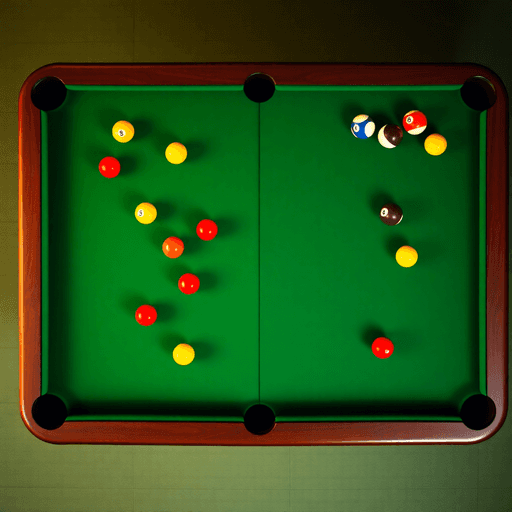
Cue sports have captivated players and audiences for decades, with 8 ball billiards and 8 ball pool standing out as two of the most popular variants worldwide. Whether you call it 8 billiard, billard 8, or simply 8pool, the essence revolves around precision, strategy, and mental focus.
Both games feature a distinctive black ball numbered 8, symbolizing the final objective that determines victory. Interestingly, in your future mindset training, there are 2 balls with number 8—each representing slightly different challenges and opportunities depending on which version you play.
Understanding the differences between these two forms of eight-ball games goes beyond knowing the rules or recognizing equipment variations. It directly influences your strategic thinking and sharpens your mental resilience during gameplay. Mastery in either game can enhance skills transferable to real-life scenarios such as decision-making under pressure or maintaining composure during high-stakes moments—qualities valuable in both personal development and professional growth.
The number 8 also holds symbolic significance outside the table: some associate it with luck in bank account 88 digits or even car numbers like 88, reflecting prosperity and balance. This connection highlights how the game intertwines with broader cultural meanings that can subtly influence your mindset during play.
Prepare to explore how these two beloved cue sports differ, what makes them unique, and how embracing both can elevate your mindset training to new levels.
Understanding Eight-Ball Games
Eight-ball is a classic billiard game that is enjoyed by players all over the world. It is known by various names such as 8 ball billiards, pool billiard 8, 8 ball billard, or simply 8 ball pool. The game consists of a total of 16 balls: one white cue ball and 15 object balls. These object balls are divided into two groups—solids and stripes—along with the crucial black 8 ball.
Basic Rules and Objective
Here are the fundamental rules and objectives of eight-ball:
- Starting Setup: All 15 object balls are racked in a triangular formation at the foot of the table.
- Groups Assignment: Players are assigned either solids (numbers 1 through 7) or stripes (numbers 9 through 15) once they legally pocket their first ball after the break.
- Winning Goal: Pocket all your assigned group balls first, then legally pocket the black 8 ball to win the frame.
- Cue Ball Use: The white cue ball is struck with the cue stick to hit target balls into pockets.
- Fouls and Penalties: Fouls such as scratching the cue ball or failing to hit your own group result in penalties like giving opponent free shots.
Players often engage in games like 8 ball billiard offline on mobile platforms or find themselves referencing cultural moments such as hotel room 88 or shows like idiot abroad where cue sports appear casually in entertainment. The game's tactical depth involves understanding angles, positioning, and bank shots—where you bounce the cue ball off cushions to reach difficult targets.
Historical Background
Eight-ball originated in the United States around the early 1900s. It evolved from earlier forms of pyramid pool, adapting rules to accommodate a faster-paced, more accessible game suitable for bars and clubs. This evolution helped standardize what became known as 8 ball pool internationally. The game’s simplicity combined with strategic complexity made it a staple of both casual play and serious competition.
The term "bank" shot traces back to this era, describing shots where balls rebound off table rails before reaching pockets—a fundamental skill in mastering eight-ball games.
This rich history connects to modern versions played both socially and professionally, maintaining traditional elements while adapting equipment and rules across regions. Understanding these origins helps deepen your appreciation of why variations like British blackball or American-style pool developed their unique characteristics.
Diving into Equipment Differences
Understanding the equipment differences between 8 ball billiard variants is essential for grasping how gameplay and strategy adapt to each style. The disparities in table size, balls, and pocket design influence not only physical play but also the mindset you develop around shot selection and precision.
Table Sizes
- British-style tables typically measure around 7 feet in length. These tables are more compact, suited to pub environments where space is limited. The smaller surface demands tighter control and encourages a more tactical, defensive style of play.
- American-style tables usually span about 9 feet. The larger size offers more room for cue ball movement and complex positional shots. This scale favors players who thrive on power breaks and longer runs.
The difference between a 8 billiard table designed for British blackball and an 8 ball pool table built for American pool is significant enough to affect your choice when practicing or competing. Adjusting your stroke strength and aiming becomes necessary depending on which table you are using.
Ball Sets
- British balls are unnumbered and come in solid colors: red and yellow, plus the black 8 ball. This simplicity focuses attention on shot execution rather than identifying specific numbered balls.
- American balls feature a set of numbered solids (1–7), striped balls (9–15), plus the black 8 ball. The numbering system adds an extra layer of complexity to game awareness, as players track their assigned groups by number and color.
This variation means that when switching from a British game to an American one, you recalibrate how you visually process the rack and plan your runs.
Ball Sizes
British balls are slightly smaller than their American counterparts:
- British balls measure approximately 2 inches in diameter.
- American balls are generally 2¼ inches (standard pool size).
This size difference affects how the cue ball interacts with object balls during collisions, influencing force calculations and spin application.
Pocket Design
- British tables have pockets with rounded cushion openings. These narrower pockets increase the challenge of potting shots, requiring greater precision.
- American tables feature wider pockets, allowing for a more forgiving shot range while still demanding skill at higher competitive levels.
Pocket shape impacts how players approach banking, kicking shots, and safety plays. On British tables, missed shots may be punished more severely due to tighter pocket tolerance.
Paying close attention to these equipment distinctions will improve your adaptability across different 8-ball formats. Whether you're stepping up to a pool table 8 setup in an American bar or playing on a classic British blackball table, know that your mental preparation must align with these physical conditions.
Exploring Gameplay and Rule Variations
The 8 ball billiard classic you might know splits into two main rule families: British-style (often called blackball) and American-style 8 ball pool. Understanding these differences helps avoid the idiotic abroad mistakes many players make when switching between variants. In your future mindset training, remember there are 2 balls with number 8—a metaphor for dual strategies and mental adjustments needed.
Group/Suit Assignment Differences
British (Blackball): Groups are identified by color only — reds versus yellows. No numbers to track, which simplifies visual recognition but requires sharp focus on color consistency.
American (Standard 8 Ball Pool): Groups consist of solids (numbered 1–7) and stripes (9–15). Assigning groups depends on the first legally pocketed ball after the break shot, adding a numerical layer to tracking and planning.
The difference in group assignment affects how you plan shots and position the cue ball. British players emphasize color pattern control; American players juggle number sequences and strategic ball positioning.
Break Shot Rules and Strategic Impact
British Version: The break is usually softer, aiming to open the rack without scattering balls wildly. A foul on the break may lead to a free shot or "ball in hand" for the opponent, encouraging cautious aggression.
American Version: The break tends to be more powerful, aiming to spread balls widely for better potting opportunities. Fouls on the break often result in stricter penalties like loss of turn or opponent having ball-in-hand behind the head string.
These variations shape your gameplay mindset: British breaks reward precision and controlled power; American breaks favor aggressive tactics and risk-taking.
Fouls Handling and Calling Pockets
British Style: Often requires calling pockets explicitly for each shot, especially on critical balls like the 8 ball. Fouls typically grant opponents a free shot anywhere on the table, emphasizing defensive play.
American Style: Calling pockets is mandatory for certain shots but more relaxed for others. Fouls result in ball-in-hand anywhere on the table, encouraging offensive strategies and quick capitalizing on errors.
This influences your mental approach—British rules demand careful planning and cautious execution, while American rules allow more flexibility but require sharper tactical awareness.
Mindset Training Implications
Rule variations impact not just physical gameplay but also how you mentally prepare:
You must develop adaptability to switch between bank account 88—a metaphor representing managing your strategic resources wisely across different rule sets.
Training should incorporate situational drills focused on both soft control shots (British) and aggressive breaks (American).
Awareness of foul consequences enhances discipline; avoiding careless errors is as much mental as mechanical.
Recognizing when to play defensively or offensively based on rules sharpens decision-making under pressure.
Mastering these gameplay nuances builds resilience against frustration common in cross-style play. Your mindset evolves from rigid habits into flexible strategy application, key for excelling in all eight-ball variants.
Cultural Influences on Billiards and Pool Billard Games
The world of cue sports reflects distinct cultural landscapes, much like a vacation where you explore new environments equipped with a mobile SIM card—ready to adapt and connect. British blackball and American pool offer contrasting experiences rooted in their unique social origins.
British Blackball: The Pub Room Tradition
British blackball thrives in the warm, familiar embrace of pub culture. Picture a cozy, well-worn space where locals gather for casual play, conversation, and camaraderie. This environment shapes how the game is played and perceived:
- Tables tend to be smaller (around 7 feet), fitting snugly into intimate pub settings.
- Equipment standards reflect tradition, with unnumbered red and yellow balls that prioritize simplicity and accessibility.
- Playing style emphasizes precision and tactical safety shots, mirroring the relaxed yet competitive pub atmosphere.
- The game fosters a social mindset where leisure and friendly rivalry coexist, encouraging players to read opponents’ intentions as much as focus on potting balls.
American Pool: The Barroom to Professional Circuit Path
American 8 ball pool evolved alongside barroom entertainment and grew into a professional sport with televised tournaments and formal leagues. This progression influences the game's character:
- Larger tables (about 9 feet) accommodate more aggressive break shots and faster-paced gameplay.
- Numbered solids and stripes add complexity, requiring players to memorize ball sequences while strategizing.
- Wider pockets create opportunities for bold plays, attracting players who favor dynamic shot-making.
- The competitive culture fosters a mindset geared toward performance under pressure, blending showmanship with technical skill.
Regional Preferences Shape Equipment and Style
Variations in table size, ball sets, and pocket designs are not just technical differences but expressions of regional identity:
- British pubs often opt for compact spaces that encourage social interaction rather than high-stakes competition.
- American pool halls cater to both casual players seeking entertainment and professionals chasing rankings.
- These preferences influence training methods, with British players focusing on consistency and safety play, while American players develop power shots and positional control.
Cultural Contexts Mold Player Mindsets
Playing 8 billiard pool is more than sinking balls; it’s engaging with culture through sport. Mindsets differ depending on cultural backgrounds:
- In Britain, cue sports are intertwined with community bonding, where enjoyment is paramount alongside competition.
- In the United States, there’s a stronger emphasis on individual achievement, rankings, and sponsorship opportunities.
Understanding these cultural roots enriches your approach to the game. You learn not only new rules or techniques but also how to adapt your mindset—balancing leisure with competitiveness depending on the setting. In effect, playing either variant becomes akin to switching from one mobile SIM card to another during your travels: adapting quickly to new rules while appreciating the local flavor embedded in every shot.
Understanding the Differences: Billiards, Pool, Snooker, and Eight-Ball
Knowing the differences between billiards, 8-ball pool, and snooker clears up a lot of common misunderstandings in cue sports language. Each game has its own special features based on the equipment used, the rules followed, and the cultural background it comes from.
What Are Billiards, Pool, and Snooker?
Billiards, pool, and snooker are all types of cue sports, but they have distinct differences:
- Billiards
- This term usually refers to carom billiards, which is played on a table without pockets using three balls (typically one white cue ball, one yellow cue ball, and one red object ball). The goal is to hit the cue ball in such a way that it strikes both of the other balls in a specific order. The key distinction here is that there are no pockets involved, making billiards a game that requires precise control and angle shots without any pocketing.
- Pool
- Pool encompasses various games played on tables with six pockets. Unlike billiards, which uses only three balls, pool games typically involve more balls — usually 15 object balls plus a cue ball. Popular variations of pool include eight-ball, nine-ball, and straight pool. The main objective in pool is to strategically pocket balls in a specific sequence or pattern.
- Snooker
- Snooker is played on a larger table (usually measuring 12 feet by 6 feet) with smaller balls compared to pool. It features 21 colored balls along with a white cue ball. Scoring in snooker can be quite complex; players earn points by potting red balls alternated with colored ones that carry different point values. Due to its size and intricate scoring system, snooker demands tactical safety play and precise positional shots.
Where Does Eight-Ball Fit In?
Eight-ball is firmly categorized under the pool family of cue sports because it is played on a table with pockets using multiple object balls alongside the cue ball. It differs from billiards as it involves pocketing shots rather than caroming ones. Unlike snooker which employs more balls and has complex scoring rules focused on clearing assigned groups before pocketing the black 8 ball.
There are two main types of eight-ball:
- British-style Eight-Ball (Blackball)
- This variation uses unnumbered colored balls, smaller tables (~7 feet), and specific rules reflecting British pub traditions.
- American-style Eight-Ball Pool
- In this version numbered solids and stripes are used on larger tables (~9 feet) with professional standardized regulations favored worldwide.
How Media Coverage Influences Perception
Television coverage plays a significant role in shaping how these games are viewed by the general public:
- Snooker enjoys substantial TV exposure in countries like the UK, Australia, China, and parts of Europe through dedicated tournaments such as the World Snooker Championship. The way it is presented highlights tactical depth and drama appealing to viewers who appreciate strategic nuances.
- American pool, particularly eight-ball and nine-ball formats receive broad media attention in North America and Asia through leagues like World Pool-Billiard Association events where fast-paced play skillful shot-making are emphasized.
- Billiards (carom) has limited mainstream media presence outside specialist circles due to its niche appeal without pockets or visible scoring spectacles.
Public understanding often confuses “billiards” with all cue sports or assumes snooker when seeing large tables on TV. Clarity about these distinctions helps players appreciate each sport’s unique challenges develop appropriate skills for their preferred variant.
The terminology around billiard 8 pool billiard snooker distinctions tv (media exposure) thus plays a vital role guiding newcomers through diverse world of cue sports without confusion mislabeling
Transitioning Between British and American Styles: Practical Tips for Mindset Training Enthusiasts
Switching between the British and American styles of eight-ball games demands more than just technical skills. It requires a deliberate mindset training approach, like a mindset training taxi that smoothly transports you through the transition. Think of this process as inserting the right SIM card—your adaptation tools—into your mental framework to optimize performance regardless of the game variant.
Key Skills to Develop
1. Precision Adjustment
The smaller ball size and tighter pockets in British-style blackball call for greater precision and delicate control. In contrast, American pool’s larger balls and wider pockets allow for slightly more margin in shot execution. Developing the ability to modulate stroke power and aim accurately is essential.
2. Rule Flexibility
Each style has its own nuances in fouls, break shot requirements, and group assignment. Cultivating mental flexibility helps you switch rule sets seamlessly without confusion or hesitation during play.
3. Strategic Adaptability
Recognize when defensive plays or aggressive shot-making are more appropriate depending on table size and opponent tendencies. This strategic agility supports quick decision-making under pressure.
Adjusting Strategies Based on Equipment Differences
The equipment differences between British and American tables are like driving two different models of car 88, each demanding unique handling for speed and control:
- Table Size Impact
- Smaller British tables compress angles, requiring sharper positional play. Larger American tables offer more room for cue ball maneuvering but demand longer, more powerful shots.
- Ball Set Considerations
- Unnumbered red/yellow balls in British games rely heavily on color recognition, while numbered solids and stripes in American pool add a layer of pattern awareness. Adapting your visual focus improves shot selection speed.
- Pocket Design Influence
- Rounded cushion openings in British tables create distinct rebound paths compared to the wider pockets of American tables. Anticipating these differences refines cue ball control tactics.
Mental Preparation Techniques to Maintain Focus
Maintaining focus during gameplay transitions involves conditioning your mind like an athlete tuning their reflexes. Incorporating sports psychology techniques can be beneficial:
- Visualization Drills
- Mentally rehearse shots under both rule sets and table conditions to build neural pathways that support quick adaptation.
- Breathing and Grounding Exercises
- Use controlled breathing to manage stress when shifting between rule interpretations or adjusting to new equipment dimensions.
- Split Attention Training
- Practice drills that require monitoring multiple variables (e.g., score, opponent behavior, table layout) simultaneously, enhancing cognitive flexibility.
In addition, there are several mental skills every athlete should learn that can aid in this transition:
In your future mindset training there are 2 balls with number 8. Mastering the duality of these variants sharpens your mental acuity much like controlling both speed and precision in car racing—balancing aggression with caution, confidence with patience.
This blend of skill development, strategic adjustment, and mental conditioning equips you to navigate the complexities involved when transitioning between British blackball and American eight-ball pool effectively.
Mastering Both Variants with a Strong Mindset Training Approach
Developing expertise in both British-style 8-ball blackball and American-style 8-ball pool requires more than just physical skill. The mental game plays a critical role. Cultivating a growth mindset is essential — viewing challenges, errors, and new rules not as setbacks but as opportunities to expand your capabilities.
Growth Mindset in Cue Sports
- Embrace the learning curve across different equipment sizes and rule variations.
- Recognize that mistakes are part of progress; treat them as valuable feedback.
- Adopt the "idiot abroad" mentality: approach unfamiliar situations with curiosity rather than frustration.
- Understand that adaptability enhances your overall game intelligence.
Focused Practice and Cognitive Strategies
Precision and decision-making sharpen with deliberate, focused practice sessions tailored to each variant:
- Break down practice into targeted drills: shot accuracy, positional play, safety shots.
- Use mental rehearsal techniques to visualize successful shots and table layouts.
- Engage in scenario-based training to anticipate opponents’ moves and strategize effectively.
- Manage your mindset training bank account 88 — a metaphor for mental resource management — by balancing intense focus with necessary breaks to avoid burnout.
Mental Resilience: Handling Frustration and Fatigue
Switching between two cue sports styles often triggers frustration due to unfamiliar rules or equipment differences. Building mental resilience allows you to maintain composure:
- When feeling overwhelmed, take a holiday — short mental breaks during practice or matches help reset focus.
- Remind yourself that setbacks are temporary and part of mastering complex skills.
- Develop routines that calm nerves, such as controlled breathing or positive self-talk.
- Reflect regularly on your experiences to transform frustration into motivation.
Mastering both eight-ball billiard variants strengthens your strategic thinking and adaptability. Investing in mindset training empowers you not only to excel technically but also to handle the psychological demands of diverse cue sports environments.
Conclusion
Playing both 8 Ball Billiard and 8 Pool Billard will make your cue sports experience more than just a hobby. Each version has its own challenges that improve your strategic thinking and help you appreciate the game's rich history.
Classic billiards improves your accuracy on smaller tables with unique equipment, teaching you to be precise and patient in your tactics.
Modern pool focuses on fast-paced action on larger tables with different ball sets, encouraging you to adapt quickly and make decisions on the spot.
In your future mindset training there are 2 balls with number 8, representing these two paths coming together into one complete skill set. This combination approach develops:
- Enhanced cognitive flexibility by adapting to differing rules and equipment
- Greater mental resilience through overcoming the frustrations of transitioning styles
- Broader tactical awareness fueled by diverse gameplay scenarios
Finding joy in diversity fuels motivation and continuous growth. Instead of seeing these variations as competing disciplines, view them as complementary tools that enhance your cue sports journey—an ongoing mastery of focus, strategy, and enjoyment.
Use both games as opportunities to strengthen your mental discipline while savoring the excitement of competition. This balanced involvement enriches your personal growth and elevates the timeless allure of cue sports.
Future mindset training classic billiards vs modern pool enjoyment in diversity becomes more than just words; it becomes a practical philosophy—two forms united by the number 8, leading you towards sharper skills and more fulfilling play.
FAQs (Frequently Asked Questions)
What are the main differences between 8 ball billiards and 8 ball pool billard?
8 ball billiards and 8 ball pool billard differ primarily in table sizes, ball sets, and gameplay rules. British-style tables are smaller (~7 feet) with unnumbered red/yellow balls plus a black 8 ball, while American-style tables are larger (~9 feet) with numbered solids and stripes. Understanding these differences enhances strategic thinking and mindset training.
How does cultural background influence the style of eight-ball games played?
Cultural influences shape equipment standards, playing styles, and player mindsets. British blackball originates from pub culture emphasizing leisure play, whereas American pool has barroom roots with professional circuits. These contexts affect how players approach competition and enjoy cue sports.
What equipment variations exist between British and American eight-ball tables?
British tables feature smaller dimensions (~7 feet), slightly smaller balls (~2¼ inches diameter), and rounded cushion pocket openings. American tables are larger (~9 feet) with bigger balls and wider pockets. These equipment differences require adjustments in gameplay strategies.
How do rule variations impact gameplay and mindset in eight-ball cue sports?
Rule differences include group assignments (reds/yellows vs solids/stripes), break shot regulations, foul handling (calling pockets or free shots), all influencing strategic decisions. Adapting to these rules fosters mental flexibility crucial for effective mindset training.
What tips can help players transition between British and American styles of eight-ball?
Key skills include adjusting to equipment size differences, adapting to rule changes, and employing mental preparation techniques to maintain focus during transitions. Using analogies like 'taxi SIM card' for adaptation tools or 'car 88' for speed/control aids mindset training enthusiasts.
Why is mastering both variants of eight-ball beneficial for future mindset training?
Embracing both British and American eight-ball variants cultivates a growth mindset by enhancing strategic thinking, accuracy, decision-making, and mental resilience. Focused practice combined with cognitive strategies helps overcome challenges and enriches enjoyment of cue sports diversity.
Comments
Post a Comment